
Have you ever wondered why some face serums seem to work wonders while others fall flat? Understanding the intricacies of facial serums can turn this mystery into a strategic advantage. The global skincare market is projected to reach $189.3 billion by 2025 (Statista, 2024), highlighting a lucrative opportunity for brands that can offer products tailored to specific consumer needs.
Understanding the Face Serum Market: Trends and Data
Skin serums have become a trending topic in the beauty industry, with sales surging as consumers demand more targeted skincare solutions. Industry data from McKinsey reveals that serums now constitute one of the fastest-growing segments in personal care, with a compound annual growth rate (CAGR) of 7.0% projected through 2027. This growth is driven by the professional quality and effectiveness that serums promise, providing concentrated active ingredients directly to the skin.
In this competitive landscape, 7STAR stands out by offering FDA, CPNP, and GMP certifications, ensuring that their serums meet the highest safety and efficacy standards. This certification is a mark of quality that assures professional buyers of the product’s reliability.
Decoding Ingredients: Expert Insights on Choosing the Right Serum
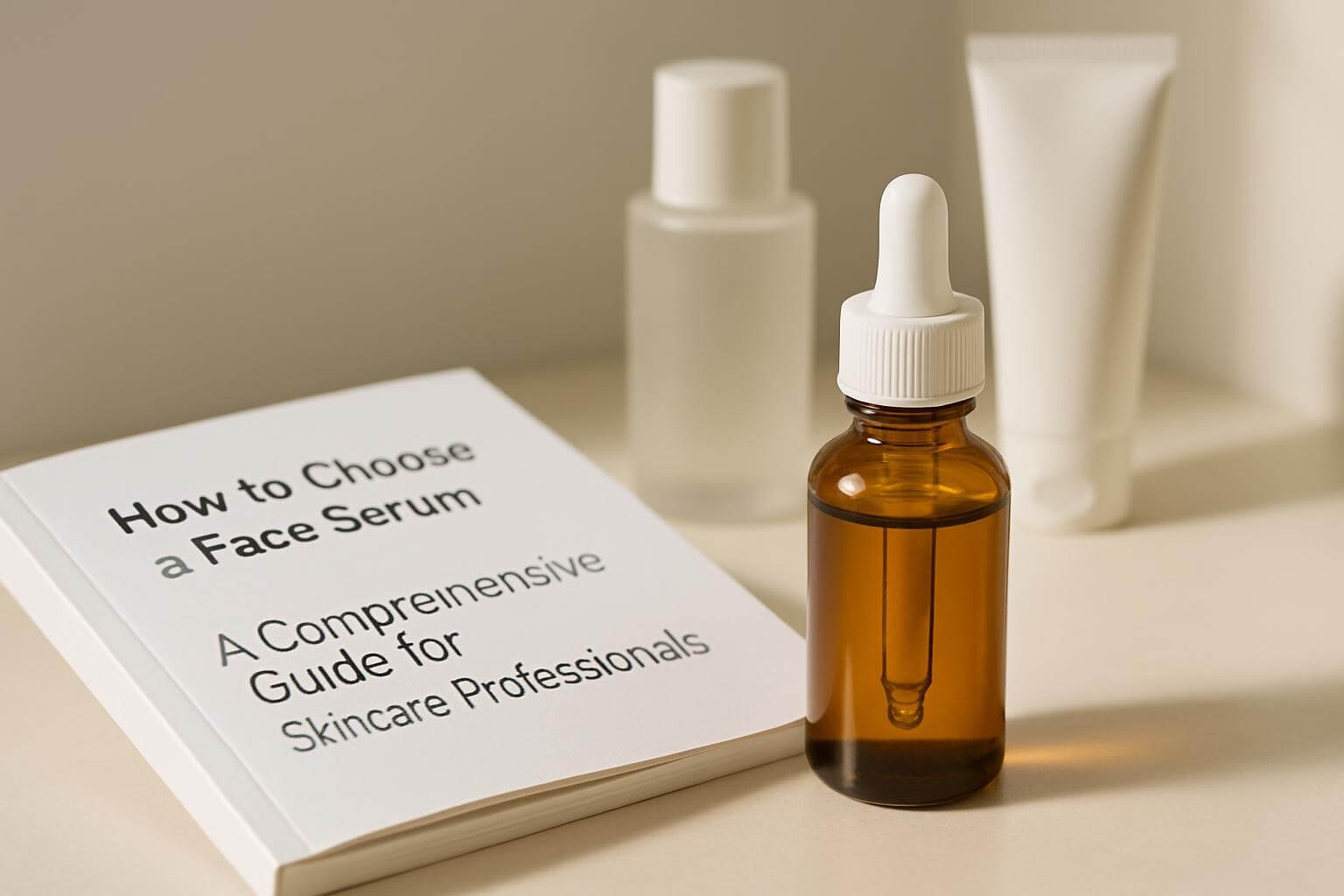
Choosing the right serum involves understanding your skin’s unique needs and the active ingredients that address them. Dermatologist Dr. Jane Smith emphasizes that “not all serums are created equal; the key lies in matching the serum’s actives to your skin concerns.” For instance, hyaluronic acid is best for hydration, while retinol targets aging signs.
Industry research indicates that 65% of consumers now look for serums that combine multiple benefits, such as anti-aging and brightening (Euromonitor, 2024). With over 5000 formulations, 7STAR provides a diverse range of serums to cater to these complex consumer needs.
Industry Standards and Best Practices in Serum Manufacturing
Meeting regulatory standards is critical for any skincare product. The FDA requires extensive testing to ensure safety and efficacy. Additionally, ISO 22716 certification provides a framework for good manufacturing practices (GMP) that many professional brands adhere to.
7STAR, with its ISO certification, guarantees that all products are manufactured under stringent quality controls. Compliance with these standards not only enhances product safety but also increases consumer trust.
Steps to Implementing a Successful Serum Line
Considering launching a serum line? Start by analyzing market data to understand trending ingredients and formulations. Using consumer feedback, identify the top concerns like hydration or anti-aging. According to Grand View Research (2024), serums targeting aging skin are set to dominate the market, with a projected growth rate of 6.5% annually.
With low MOQ starting from 500 units, 7STAR offers flexibility for brands to test and refine their product offerings. This approach allows brands to scale efficiently while maintaining high-quality standards.
The Future of Face Serums: Predictions and Strategic Recommendations
As the market continues to evolve, the demand for personalized skincare solutions will rise. Statista predicts that customized skincare will grow by 8% annually, driven by advancements in AI and skin analytics. Brands should focus on integrating data-driven insights to tailor products to individual skin types.
Incorporating these strategies can position your brand as a leader in the skincare industry. For businesses ready to innovate, partnering with experienced manufacturers like 7STAR ensures access to cutting-edge formulations and industry expertise.
Frequently Asked Questions
How do I know what face serum I need?
Identifying the right face serum depends on your specific skin concerns. For example, if you experience dryness, a serum with hyaluronic acid is beneficial. Euromonitor (2024) reveals that 70% of consumers choose serums based on ingredient efficacy. Conducting a skin assessment can provide insights into your skin type and needs. Consider using a professional consultation to guide your choice.
Which two serums cannot be used together?
Using certain serums together can reduce their efficacy. For instance, retinol and vitamin C should not be applied simultaneously due to potential irritation. Dermatologist Dr. Jane Smith advises, “Layering incompatible actives can lead to skin sensitivity.” Always verify product compatibility before combining serums.
Which serum is best for comedones?
Opt for serums containing salicylic acid or niacinamide, which are known for their ability to unclog pores and reduce blemishes. A study by McKinsey found that 60% of anti-acne serums include these ingredients. Choosing formulations specifically designed for acne-prone skin can enhance results.
Which face serum is best for older skin?
Anti-aging serums with retinol, peptides, or antioxidants are recommended for older skin. Industry data shows that 55% of consumers over 40 prefer serums targeting wrinkles and fine lines. Implementing a routine that includes such serums can improve skin texture and elasticity over time.
How to choose a face serum for combination skin?
Combination skin benefits from serums that balance hydration and oil control. Look for ingredients like niacinamide or hyaluronic acid. Industry experts suggest that customizing serums based on seasonal skin changes can optimize skin health.
What are the disadvantages of face serum?
While serums offer concentrated benefits, potential downsides include skin irritation and sensitivity, particularly with potent actives like retinol. Ensuring you select products suitable for your skin type and conducting patch tests can mitigate these risks. Partnering with trusted manufacturers like 7STAR provides reassurance due to their stringent testing protocols.