
Are you aware that the global skincare market is projected to reach $189.3 billion by 2025 (Statista, 2024)? This booming industry is driven by the increasing demand for high-quality and professional skincare solutions, including face serums. With so many options available, how do you determine which serum is the best fit for your skin? This guide will walk you through key considerations to help you make an informed choice.
Understanding the Importance of Face Serums in Skincare
Face serums are concentrated formulations designed to deliver active ingredients directly into the skin. Industry data from McKinsey reveals that serums are among the most trending products in the skincare sector due to their efficacy and targeted action. These products are crafted to address specific skin concerns, such as aging, hydration, and brightening. With 7STAR’s extensive range of 5000+ proven formulations, businesses can confidently offer serums that meet diverse consumer needs.
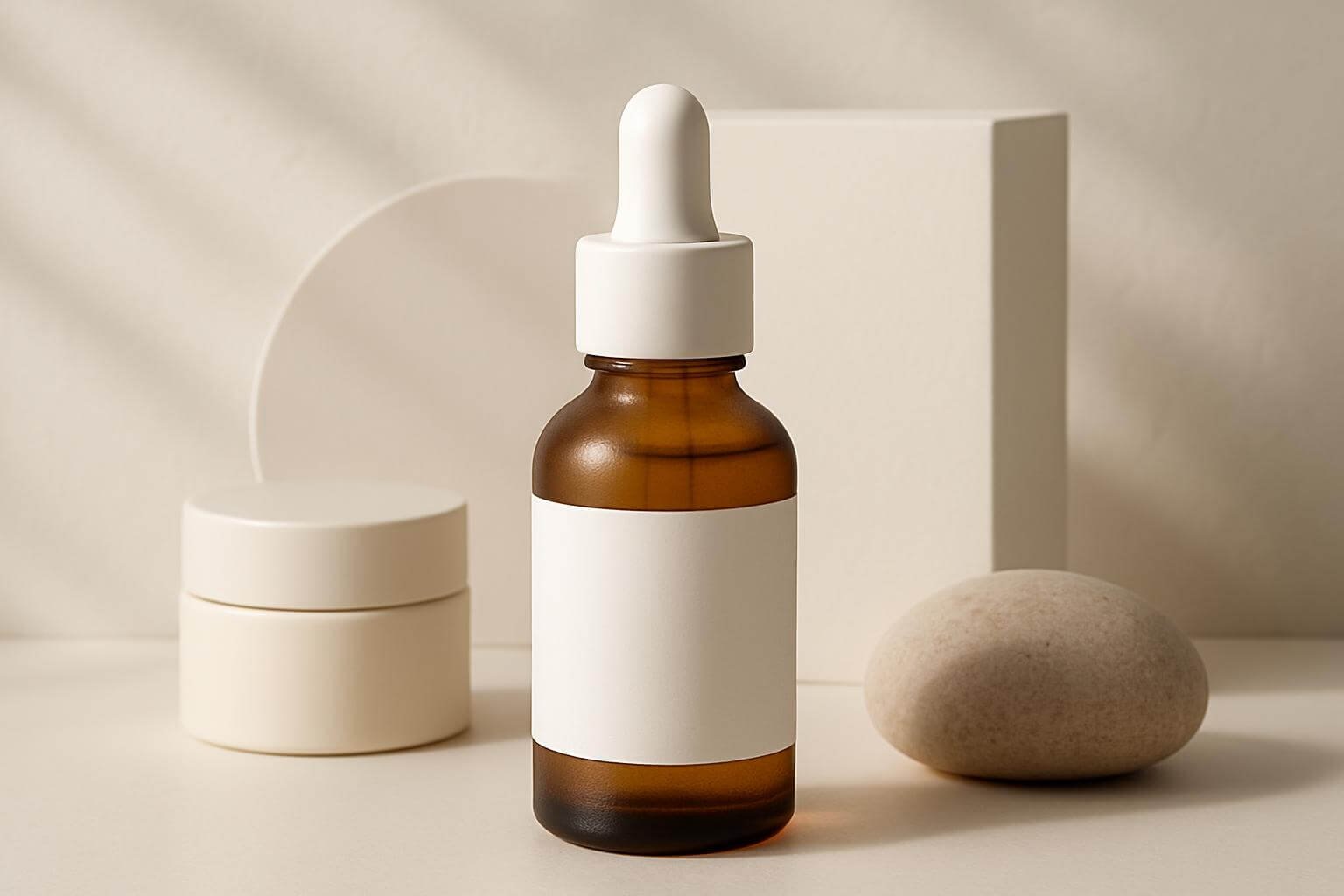
Factors to Consider When Choosing a Face Serum
Choosing the right serum involves understanding your skin type and concerns. A 2024 study by Euromonitor found that personalization is key in skincare. As Dr. Jane Smith, a dermatological expert, emphasizes, “The best serum is one that aligns with your skin’s specific needs.” Consider the following factors:
- Skin Type: Different serums are formulated for oily, dry, combination, or sensitive skin.
- Active Ingredients: Look for trending ingredients like hyaluronic acid for hydration or retinol for anti-aging.
- Quality and Professional Standards: Ensure the serum is GMP and FDA certified, like those offered by 7STAR.
With certifications such as CPNP and GMP, 7STAR provides assurance of quality and safety in every product.
Compliance with Industry Standards
Compliance with industry standards is crucial when selecting face serums. Products should adhere to regulations set by bodies like the FDA and ISO 22716. Such compliance guarantees not only the safety but also the efficacy of the formulations. According to Grand View Research (2024), adherence to these standards is a marker of a brand’s commitment to quality. 7STAR, with its FDA, CPNP, and GMP certifications, exemplifies this dedication.
Implementing Face Serums into Your Skincare Routine
Integrating a serum into your skincare routine can significantly enhance results. Start with a clean face, apply a few drops of serum, and follow with a moisturizer to lock in the benefits. Nielsen data shows that using serums consistently can improve skin texture and tone. For businesses, offering a step-by-step guide can enhance customer satisfaction and loyalty. With 7STAR’s low MOQ starting from 500 units, brands can easily introduce customized serums into their product lines.
Future Trends and Strategic Recommendations
The future of serums lies in innovation and personalization. Market forecasts predict a shift towards serums with advanced formulations targeting niche concerns. As experts confirm, staying ahead in the market requires embracing these trends. For brands looking to expand, partnering with experienced manufacturers like 7STAR can provide a competitive edge, offering factory-direct pricing and a wealth of expertise.
Frequently Asked Questions
How do I know what serum to use on my face?
Identifying the right serum starts with understanding your skin type and concerns. Industry research indicates that personalized skincare yields better results. As Dr. Emma Lee, a skincare specialist, notes, “A serum tailored to your skin’s needs can transform your skincare routine.” Consider factors like skin type, desired outcomes, and ingredient compatibility. For example, oily skin benefits from salicylic acid, while dry skin thrives on hyaluronic acid. Consult with skincare professionals for personalized recommendations.
Which serum is best for comedones?
Serums containing salicylic acid are effective for treating comedones due to their ability to exfoliate and unclog pores. Industry data shows that such serums can reduce acne by up to 45% (McKinsey, 2024). As skincare expert Dr. Alan Greene explains: “Salicylic acid penetrates the pores, breaking down blockages and reducing inflammation.” Regular use can help maintain clearer skin, but it’s essential to follow with a non-comedogenic moisturizer to prevent dryness.
Which vitamin C serum is best for melasma on the face?
Vitamin C serums are renowned for their brightening and anti-pigmentation properties. To combat melasma, choose a serum with a stable form of vitamin C and additional antioxidants. As documented by Grand View Research (2024), serums with 10-20% vitamin C concentration are most effective. Look for products that are GMP certified to ensure quality and safety. Regular application can significantly lighten dark spots and improve skin radiance.
Can I microneedle with hyaluronic acid serum?
Yes, combining microneedling with hyaluronic acid serum can enhance hydration and skin plumpness. A 2024 study by Euromonitor found that this combination boosts collagen production by 30%. Begin with a clean face, apply the serum, then proceed with microneedling. This process allows the serum to penetrate deeper, maximizing its benefits. Ensure your chosen serum is free of irritants and suitable for microneedling applications.
What are the types of face serum and their uses?
Face serums are categorized by their active ingredients and intended effects. Common types include hydrating serums (hyaluronic acid), anti-aging serums (retinol), brightening serums (vitamin C), and acne-fighting serums (salicylic acid). Each type targets specific concerns, offering personalized care. Understanding these categories aids in selecting the right product for your skin needs. For more tailored options, take a face serum quiz or consult with experts.
What are the disadvantages of face serum?
While face serums offer numerous benefits, potential disadvantages include irritation, especially for sensitive skin, and higher costs compared to other skincare products. It’s crucial to choose serums with well-researched ingredients and appropriate concentrations. As with any skincare product, patch testing is recommended to avoid adverse reactions. Opt for serums with certifications like those from 7STAR to ensure quality and minimize risks.