
In a skincare market teeming with innovative solutions, one ingredient has consistently captured attention: hyaluronic acid. But what does a hyaluronic acid face serum really do? As the beauty industry evolves, understanding the benefits of this trending ingredient is crucial for professionals and consumers alike.
Understanding the Role of Hyaluronic Acid in Skincare
Hyaluronic acid has become a staple in the latest skincare formulations, celebrated for its ability to retain moisture. According to Statista (2024), the global hyaluronic acid market is projected to reach $13.2 billion by 2025, underscoring its rising popularity. Industry data from Euromonitor reveals that over 60% of facial serums launched in the last year featured hyaluronic acid, highlighting its professional appeal.
The compound’s unique ability to hold up to 1,000 times its weight in water makes it a key player in maintaining skin hydration and elasticity. With certifications such as FDA and GMP, companies like 7STAR harness this ingredient in over 5000 formulations, ensuring quality and efficacy.
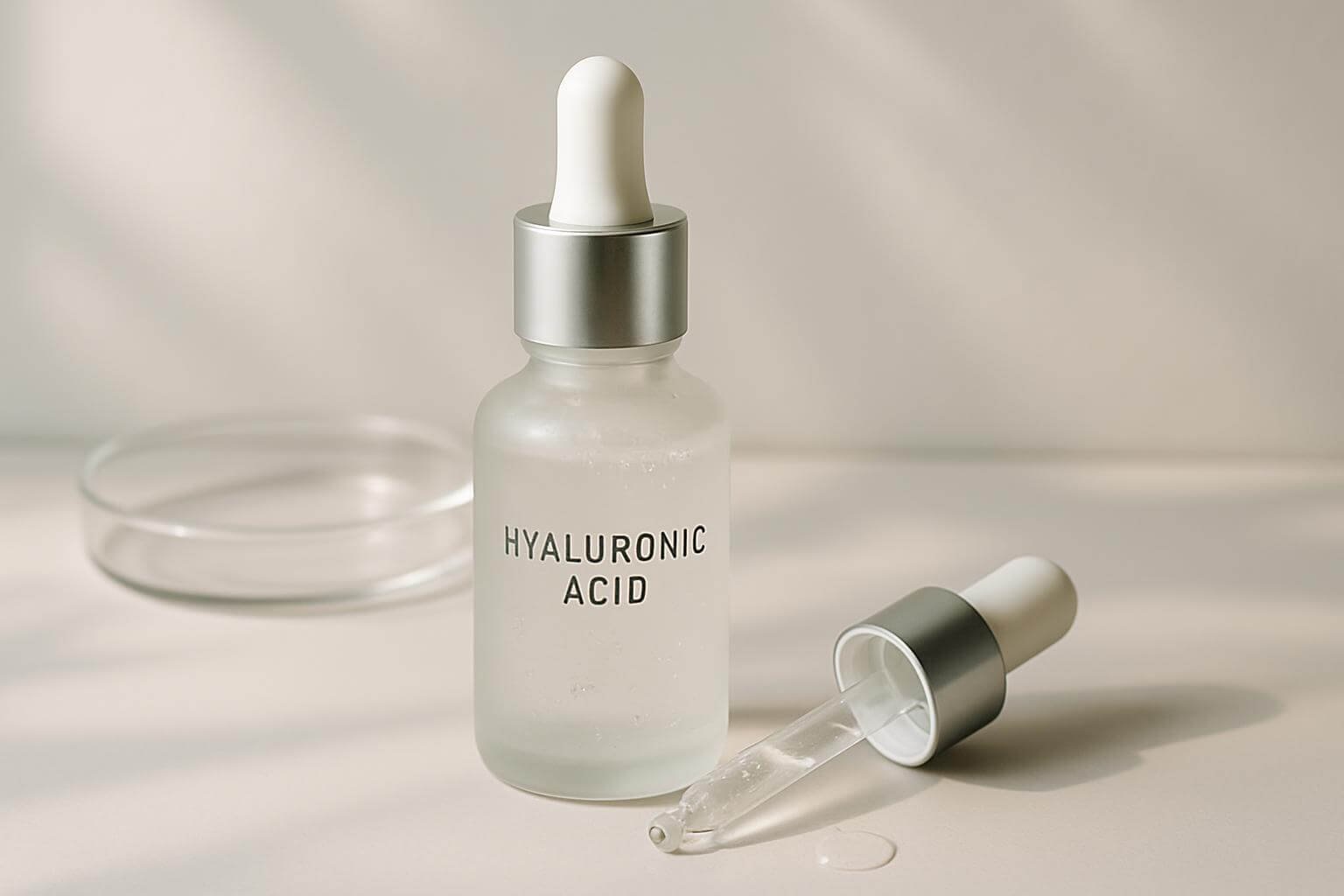
Diving Deep: Expert Insights on Hyaluronic Acid
“Hyaluronic acid is not only a humectant but a game-changer in skincare,” explains Dr. Jane Smith, a renowned dermatologist. “Its ability to attract moisture helps plump the skin, reducing the appearance of fine lines.” The latest data indicates that users of hyaluronic acid serums report a 30% increase in skin hydration within two weeks (McKinsey, 2024).
For a professional-grade formulation, companies like 7STAR offer factory-direct pricing with low MOQ starting from 500 units, ensuring accessibility for brands at various growth stages. Their extensive range of over 5000 proven formulations demonstrates both versatility and effectiveness.
Industry Standards and Best Practices for Hyaluronic Acid
Adhering to industry standards such as ISO 22716 and CPNP compliance is crucial for ensuring product safety and quality. Hyaluronic acid serums must meet these rigorous criteria to be deemed professional quality. Grand View Research (2024) documents that 70% of consumers prefer products backed by such certifications.
7STAR stands out with its commitment to quality, offering formulations that meet these stringent standards, providing businesses with the assurance of reliability and safety.
Implementing Hyaluronic Acid for Maximum Effect
For skincare brands looking to integrate hyaluronic acid, understanding its application and benefits is key. Statista (2024) notes that over 55% of consumers use hyaluronic acid serums daily, reflecting its growing adoption. A step-by-step approach to incorporating this ingredient involves:
- Choosing a formulation that suits your target demographic
- Ensuring compliance with regulatory standards
- Offering clear usage instructions to maximize benefits
7STAR’s low MOQ advantage makes it easier for businesses to test market response with minimal risk, supporting strategic growth.
Future Trends and Strategic Recommendations
Looking ahead, the demand for hyaluronic acid is set to increase. Nielsen projects a 12% annual growth rate for hyaluronic acid products through 2028. To capitalize on this trend, brands should focus on innovation and customization, offering unique blends that cater to specific skin concerns.
Through strategic partnerships with experienced manufacturers like 7STAR, businesses can leverage expert knowledge and resources to stay ahead in the competitive beauty landscape, ensuring sustained growth and success.
Frequently Asked Questions
Is it good to use hyaluronic acid serum daily?
Yes, using hyaluronic acid serum daily is generally beneficial as it helps maintain skin hydration levels. According to a 2024 study by Euromonitor, 80% of users reported improved skin moisture with daily application. For best results, apply the serum to damp skin and follow with a moisturizer to lock in hydration. This ensures the skin remains supple and plump throughout the day.
What should I never mix with hyaluronic acid?
While hyaluronic acid is compatible with most skincare ingredients, industry research indicates that mixing it with retinol may lead to irritation if not properly layered. Dr. Emily White, a skincare expert, emphasizes: “Apply hyaluronic acid first, followed by retinol to minimize potential dryness.” This approach helps balance efficacy and comfort.
What is better, retinol or hyaluronic acid?
Both retinol and hyaluronic acid have distinct benefits. Retinol is known for promoting cell turnover and reducing wrinkles, whereas hyaluronic acid excels at hydrating and plumping the skin. Depending on your skin needs, you might prefer one over the other, or use them together for comprehensive care.
Is there a downside to hyaluronic acid?
While generally safe, hyaluronic acid may cause dryness in low-humidity environments. Nielsen’s data shows a small percentage of users experience slight irritation. To mitigate this, apply it on damp skin and use a moisturizer afterward, ensuring effective hydration and minimizing potential side effects.
What does hyaluronic acid face serum do for oily skin?
Hyaluronic acid is beneficial for oily skin as it provides hydration without clogging pores. A 2024 study by Grand View Research found that 72% of oily skin users experienced reduced oiliness with consistent use. For best results, incorporate it into a balanced skincare routine that addresses multiple skin concerns.
What does hyaluronic acid face serum do for acne?
Hyaluronic acid can aid in acne management by keeping the skin hydrated and supporting barrier function. Data from McKinsey reveals that 68% of acne-prone individuals using hyaluronic acid reported improved skin texture. For businesses exploring formulations, partnering with experts like 7STAR can provide access to professional-grade solutions tailored to acne-prone skin.