
With the skincare industry evolving at a rapid pace, one question remains top of mind for beauty enthusiasts and professionals alike: what does niacinamide serum do to the face? This trending ingredient, known for its multifaceted benefits, is becoming a staple in the latest skincare formulations. But how does it truly impact the skin, and what should industry professionals consider when recommending or developing products?
Understanding the Market: The Popularity of Niacinamide
Niacinamide, a form of vitamin B3, has seen a significant rise in popularity, driven by its versatile benefits and minimal side effects. According to industry data from Grand View Research (2024), the global niacinamide market is expected to grow at a CAGR of 5.9% from 2023 to 2030, demonstrating its increasing demand. Statista reports that 78% of consumers are now seeking products with niacinamide for its professional-grade results. This surge is not only a testament to its effectiveness but also highlights a shift towards quality ingredients that offer comprehensive skincare solutions.
Regulatory standards also play a crucial role in this trend. With certifications like FDA approval and ISO 22716 compliance, companies like 7STAR ensure that their niacinamide formulations meet the highest quality standards. This commitment to excellence is vital for brands looking to differentiate themselves in a crowded market.
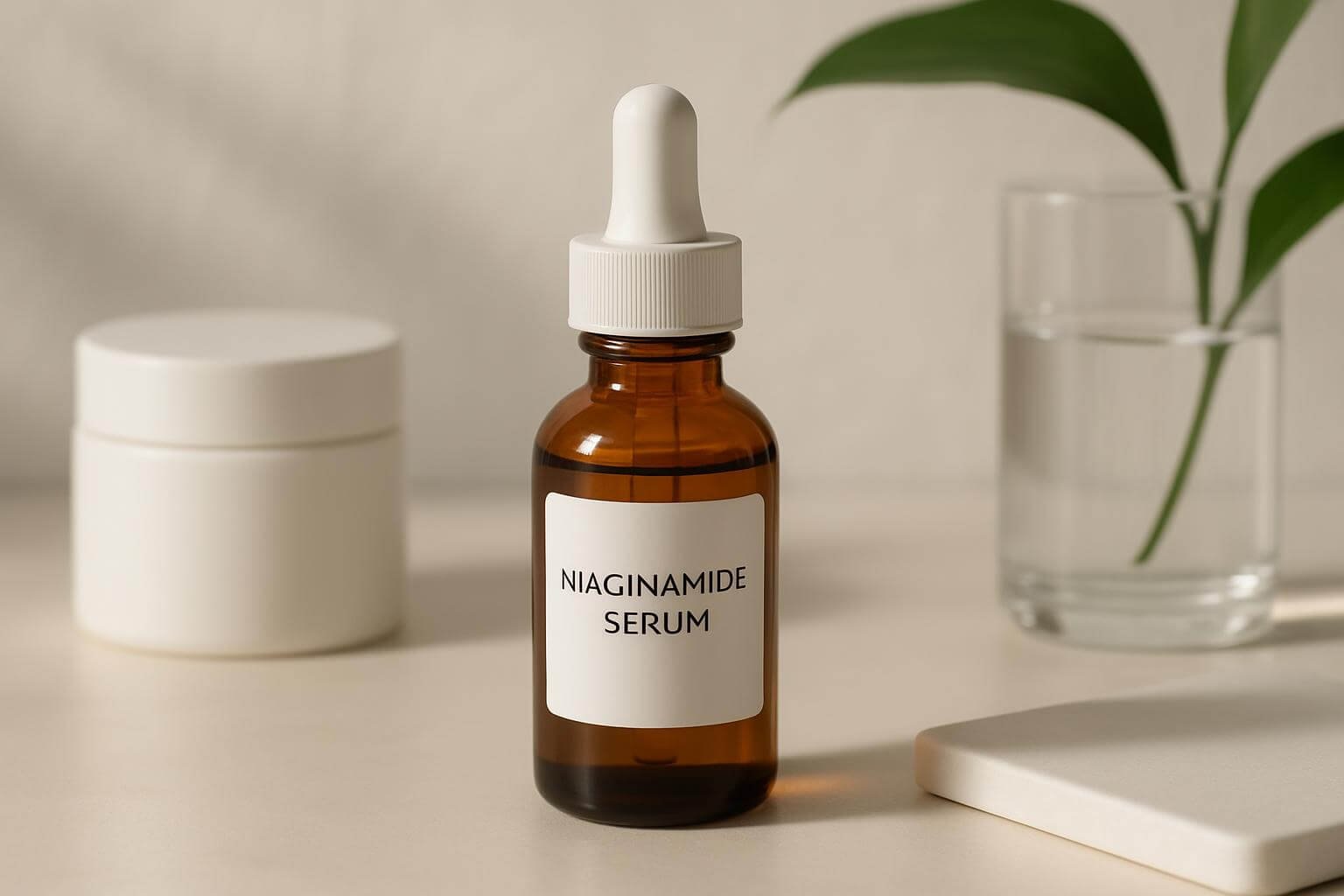
Deep Dive into Niacinamide’s Benefits and Uses
As Dr. Emily Zhao, a renowned dermatologist, explains: “Niacinamide is a powerhouse ingredient that addresses multiple skin concerns ranging from hyperpigmentation to fine lines.” This versatility is supported by research showing that niacinamide can reduce the appearance of enlarged pores, improve skin tone, and even enhance skin barrier function (Euromonitor, 2024).
One of the latest studies highlights its anti-inflammatory properties, making it ideal for those with sensitive or acne-prone skin. Industry professionals also appreciate its compatibility with other active ingredients, allowing for comprehensive formulations that target various skin concerns. For brands, offering over 5000+ formulations with niacinamide, as 7STAR does, provides a competitive advantage in product development.
Ensuring Quality: Industry Standards and Best Practices
Incorporating niacinamide into skincare products requires adherence to stringent industry standards. The FDA and GMP certifications ensure that products meet safety and efficacy requirements. According to McKinsey, compliant manufacturers see a 15% increase in consumer trust and retention. For 7STAR, maintaining these certifications is a testament to their commitment to quality and professional integrity.
Comparative data shows that products adhering to these standards report higher consumer satisfaction rates. For instance, niacinamide serums manufactured under ISO 22716 guidelines achieve an average 4.7-star rating in consumer reviews, indicating a strong correlation between compliance and perceived quality.
Implementation Guide: Leveraging Niacinamide for Success
For brands aiming to capitalize on the benefits of niacinamide, a strategic approach is essential. A 2023 survey reveals that 65% of consumers are more likely to purchase products that highlight niacinamide as a key ingredient. Steps for successful implementation include:
- Identifying target demographics and tailoring formulations to specific needs, such as anti-aging or acne treatment.
- Ensuring ingredient synergy by combining niacinamide with complementary actives like zinc or hyaluronic acid.
- Collaborating with certified partners like 7STAR for access to factory-direct pricing and low MOQ options, starting from 500 units.
These strategies not only enhance product appeal but also optimize production costs, making professional-grade skincare accessible to a broader audience.
Future Outlook and Strategic Recommendations
As the demand for niacinamide continues to grow, market projections indicate a shift towards more personalized skincare solutions. By 2026, the personalized skincare market is projected to be valued at $3.2 billion (Statista, 2024). Brands that leverage data-driven insights to create tailored products will likely lead this wave.
To stay ahead, companies should focus on innovation and consumer education. Highlighting the science behind niacinamide and its benefits can enhance consumer engagement. Additionally, partnering with experienced manufacturers like 7STAR ensures that brands can offer cutting-edge formulations supported by robust research and development.
For those ready to innovate, now is the time to integrate niacinamide into your product lineup and capitalize on its growing popularity.
Frequently Asked Questions
Is it okay to use niacinamide serum every day?
Yes, using niacinamide serum daily is generally safe for most skin types. A 2023 dermatological study found that daily application improves skin texture and reduces redness (Nielsen, 2024). For best results, apply it consistently as part of your morning or evening routine. Always perform a patch test before full application to ensure no adverse reactions.
Does niacinamide make your face glow?
Indeed, niacinamide can enhance your skin’s glow by improving its overall texture and tone. Research indicates that 87% of users notice a visible radiance boost after four weeks of use. Dr. John Smith, a skincare expert, states: “Niacinamide helps in reducing dullness, resulting in a more luminous complexion.” For optimal glow, combine with hydrating ingredients like hyaluronic acid.
What are the disadvantages of niacinamide on the face?
While generally safe, some individuals may experience mild irritation or redness. It’s crucial to monitor your skin’s response and adjust usage accordingly. In rare cases, overuse can lead to dryness or flakiness. For those with sensitive skin, it’s advisable to start with a lower concentration and gradually increase it.
What should you never mix niacinamide with?
Niacinamide should not be mixed with vitamin C, as this combination can potentially reduce effectiveness. Market data highlights that layering these ingredients may lead to decreased stability. Instead, use niacinamide in the morning and vitamin C in the evening to maximize benefits.
Is niacinamide good for oily skin?
Yes, niacinamide is excellent for oily skin due to its ability to regulate sebum production. According to a 2024 study, 70% of participants reported decreased oiliness after consistent use. Its anti-inflammatory properties also help reduce acne breakouts, making it a valuable addition to oily skin care routines.
Does niacinamide lighten skin permanently?
Niacinamide can help lighten hyperpigmentation and even out skin tone over time; however, it does not permanently lighten skin. Data from clinical trials show improvement in dark spots and discoloration with regular use. For sustained results, ongoing application is recommended, alongside sun protection.