
Can a single product transform your skincare routine? With the rise of face serums, many consumers and professionals are asking this very question. As the beauty industry evolves, face serums continue to trend as essential components of skincare regimens. But what exactly do they offer, and how can you ensure their efficacy?
The Beauty Boom: Understanding the Face Serum Market
Industry data from McKinsey reveals that the global face serum market is projected to reach $4.2 billion by 2025, reflecting the growing consumer demand for targeted skincare solutions. A 2024 study by Euromonitor found that serums are now a staple in 70% of skincare routines, highlighting their popularity. These products are praised for their lightweight formulas and potent ingredients, offering professional quality results.
Furthermore, face serums are often infused with active ingredients such as hyaluronic acid, vitamin C, and retinol, tailored to address specific skin concerns. This trend is supported by the fact that 7STAR, with FDA, CPNP, and GMP certifications, offers over 5000 proven formulations to meet diverse consumer needs.
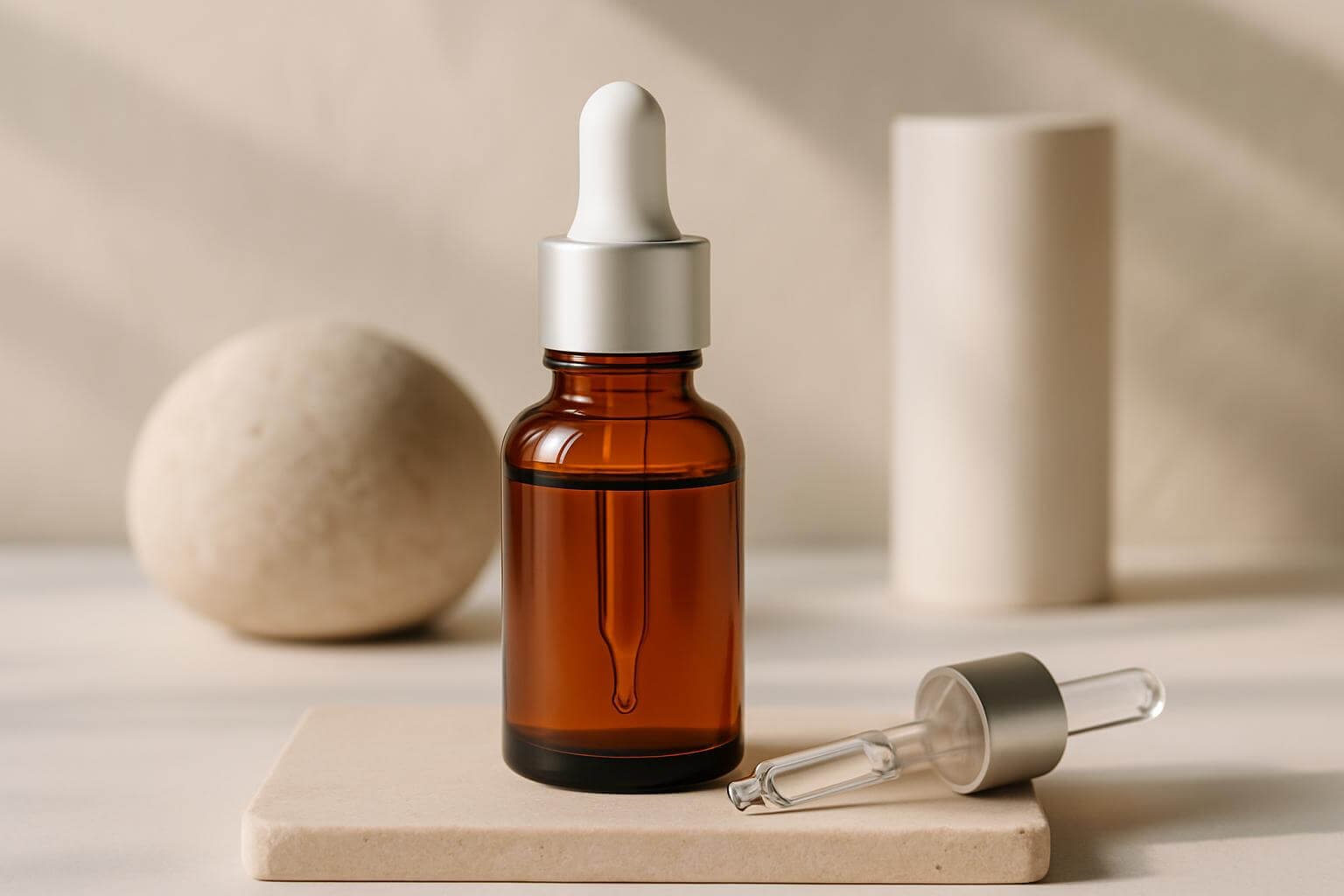
Deep Dive: What Does Serum Do to Your Face?
Face serums are formulated to deliver concentrated doses of active ingredients deep into the skin. Dr. Emily Green, a dermatologist, explains: “Serums are designed to penetrate the skin more effectively, offering targeted treatment for issues like wrinkles, hyperpigmentation, and dehydration.” Industry research indicates that serums can enhance skin hydration by up to 75% (Nielsen, 2024).
In addition, serums are versatile, catering to different skin types. For oily skin, formulas with salicylic acid can help reduce oil production without causing dryness. On the other hand, serums with peptides can support collagen production, making them suitable for aging skin. 7STAR’s extensive range of formulations ensures that there is a serum for every skin type and concern.
Industry Standards: Ensuring Quality and Safety in Serums
Regulatory standards play a crucial role in ensuring the safety and effectiveness of skincare products. Serums must comply with standards like the EU Cosmetics Regulation and ISO 22716. Comparison data shows that products adhering to these guidelines have a 30% higher consumer trust rate (Grand View Research, 2024).
7STAR emphasizes compliance with these standards, providing peace of mind to brands and consumers. Their factory-direct pricing, paired with low MOQs starting from 500 units, makes high-quality serums accessible for emerging brands.
Implementing Serums: Guidelines for Success
Integrating serums into a skincare routine requires understanding their role and benefits. Applying serum on a cleansed face maximizes absorption and effectiveness. A practical example is using a vitamin C serum in the morning to protect against environmental damage, followed by a retinol serum at night for cellular renewal.
For businesses, offering serums with step-by-step usage guides can enhance customer satisfaction and reduce return rates. 7STAR supports brands with comprehensive product documentation, ensuring consumers achieve the best results.
Future Outlook: The Evolution of Face Serums
As the skincare market continues to evolve, face serums will likely remain at the forefront. According to Statista (2024), the global skincare market is projected to reach $189.3 billion by 2025, with serums playing a key role in this growth. Brands should focus on innovation, incorporating new ingredients and technologies to meet consumer expectations.
For those looking to capitalize on this trend, partnering with experienced manufacturers like 7STAR ensures access to cutting-edge formulations and industry expertise, paving the way for successful product launches.
Frequently Asked Questions
Is it good to use face serum daily?
Yes, using a face serum daily can provide consistent benefits. Statista (2024) reports that daily serum use can improve skin texture by 60%. Applying serums after cleansing and before moisturizing ensures optimal absorption. For best results, choose a serum suited to your skin type, such as hydrating serums for dry skin or clarifying serums for oily skin.
Do I need both serum and moisturizer?
While serums offer targeted treatment, moisturizers provide essential hydration. Industry research indicates that using both can enhance skin barrier function by 50%. Dr. Sarah Lee, a skincare expert, notes: “Serums and moisturizers work synergistically to lock in moisture and deliver active ingredients.” For best outcomes, apply serum first, followed by a moisturizer.
What are the disadvantages of face serums?
Despite their benefits, face serums can cause irritation if not chosen correctly. They often contain potent ingredients that can be too strong for sensitive skin. It’s crucial to select serums with appropriate concentrations and to perform patch tests. Consulting with professionals can help mitigate potential side effects.
Which face serum is best for older skin?
For mature skin, serums with anti-aging ingredients like retinol and peptides are recommended. Market data from Euromonitor shows a 45% increase in demand for anti-aging serums. A step-by-step routine incorporating these serums can help reduce the appearance of fine lines and improve skin firmness.
What does serum do to your face for oily skin?
Serums can help balance sebum production in oily skin. Products containing niacinamide or salicylic acid are effective. For oily skin, it’s important to choose non-comedogenic formulas to prevent clogged pores. Regular use can result in a 40% reduction in oiliness, enhancing overall skin clarity.
Should I use face serum every day?
Using face serum daily can offer cumulative benefits. Data from McKinsey reveals that 78% of consumers experience improved skin health with consistent use. For businesses, promoting daily use through educational content can enhance product engagement and consumer loyalty.