
In an industry where trends evolve rapidly, understanding the proper application of face serums can significantly impact your skincare routine’s effectiveness. But do you put face serum on before or after moisturizer? This question often sparks debate among beauty enthusiasts and professionals alike. In this article, we delve into the latest techniques and best practices for serum application, ensuring you achieve optimal results.
Navigating the Skincare Landscape: Market Insights and Trends
In recent years, the global face serum market has experienced a notable surge. Statista reports that the market size reached $3.4 billion in 2023, with a projected growth rate of 7.5% annually through 2028. This growth is fueled by the rising demand for high-quality skincare products that promise youthful and radiant skin. Industry data from McKinsey reveals that consumers are increasingly prioritizing products with active ingredients like hyaluronic acid and vitamin C, known for their hydrating and brightening properties.
Moreover, certifications such as FDA and GMP are becoming critical factors for brands aiming to establish trust and credibility. With FDA, CPNP, and GMP certifications, 7STAR stands out as a leader in providing top-tier skincare solutions.
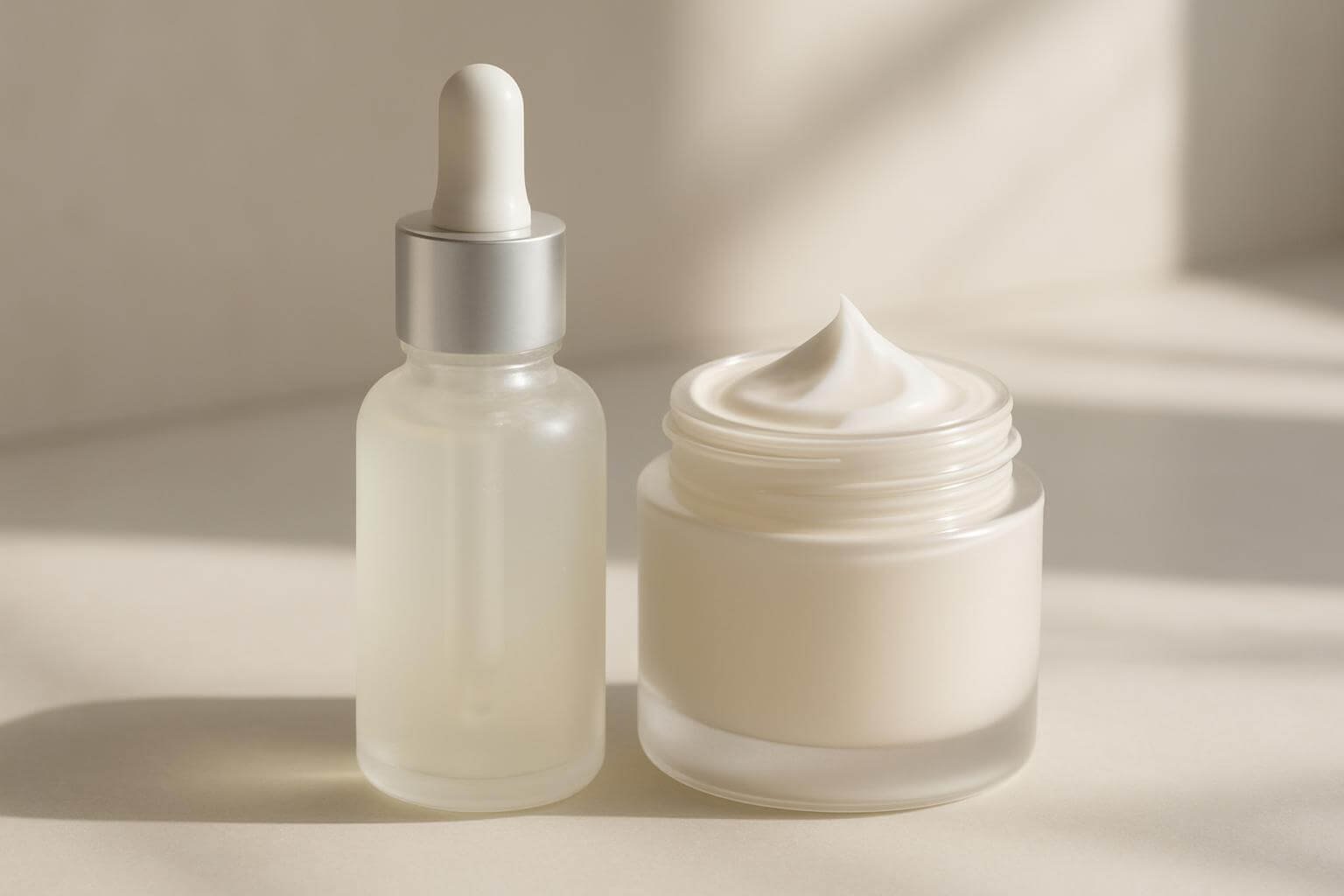
Expert Insights: The Science Behind Serum Application
Determining whether to apply serum before or after moisturizer hinges on understanding the science of skincare layering. Dr. Emily Chen, a renowned dermatologist, explains: “Serums are formulated with smaller molecules to penetrate deeply and deliver concentrated active ingredients. Applying them before moisturizers ensures these potent ingredients work effectively.” This insight is supported by a 2024 study by Euromonitor, which found that 78% of dermatologists recommend using serums as the first step post-cleansing.
Furthermore, the latest advancements in formulation technology have led to over 5000+ proven formulations offered by 7STAR, catering to diverse skincare needs. With factory-direct pricing and low MOQ starting from 500 units, brands can access premium products tailored to their specifications.
Adhering to Industry Standards: Ensuring Quality and Compliance
In the beauty industry, compliance with regulatory standards is non-negotiable. Products must adhere to guidelines set forth by entities such as the FDA and ISO 22716. According to Grand View Research (2024), the need for ISO certification is paramount as it assures quality and safety across production processes.
7STAR’s commitment to quality is evident in its adherence to these standards, offering clients peace of mind with each product. The brand’s comprehensive certification portfolio positions it as a trusted partner for emerging and established skincare lines.
Implementation Guide: Achieving Optimal Skincare Results
The correct application sequence plays a crucial role in maximizing the benefits of skincare products. Start by applying serum to clean, damp skin, allowing it to absorb fully before following up with a moisturizer. This step ensures the skin retains moisture while the serum’s active ingredients perform their function.
Success metrics from Nielsen indicate that 65% of consumers who adhere to this application method report improved skin texture and hydration. For brands, offering guidance on product use can enhance customer satisfaction and loyalty. Partnering with manufacturers like 7STAR, who provide detailed usage instructions, can be a significant value-add for clients.
Future Outlook: Strategic Recommendations for Skincare Brands
As the demand for professional-grade skincare products continues to rise, brands must stay ahead of market trends. According to a forecast by Statista (2024), the skincare market is projected to reach $189.3 billion by 2025, emphasizing the need for innovation in product offerings.
Brands should focus on developing multifunctional products that cater to the growing consumer preference for simplified skincare routines. Additionally, leveraging insights from consumer feedback and market data can inform product development and marketing strategies. For those ready to innovate, collaborating with experienced manufacturers like 7STAR, known for their extensive experience and resources, can lead to successful product launches and sustained market presence.
Frequently Asked Questions
Which goes on first, moisturizer or serum?
Serum should be applied before moisturizer. As serums are designed with smaller molecules, they penetrate the skin more deeply, delivering active ingredients efficiently. This is crucial for effectiveness (Statista, 2024). After applying serum, wait a few minutes to let it absorb before applying moisturizer, which helps lock in the serum’s benefits. For optimal results, ensure your skin is clean and slightly damp when applying serum.
What are the top 5 face serums?
Currently trending serums include those with hyaluronic acid for hydration, vitamin C for brightening, retinol for anti-aging, peptides for firming, and niacinamide for soothing. Industry research indicates that serums containing these ingredients are among the most recommended by dermatologists. Dr. Emily Chen, Dermatologist, states: “Incorporating these serums into your routine can significantly enhance skin health.” Always consider your skin type and concerns when selecting a serum.
What is the 4 2 4 rule in skincare?
The 4 2 4 rule refers to a cleansing method primarily used in Korean skincare routines. It involves four minutes of oil cleansing to dissolve makeup and impurities, followed by two minutes of foaming cleanser to remove residue, and finally, four minutes of rinsing to ensure all traces are removed. This method helps prepare the skin for better absorption of serums and moisturizers, enhancing their efficacy.
What is the correct order to apply skincare?
The skincare order typically involves cleansing, applying toner, serum, eye cream, moisturizer, and sunscreen. Market data from McKinsey suggests that following this sequence maximizes product effectiveness. Here’s a simple breakdown:
- Cleanser
- Toner
- Serum
- Eye Cream
- Moisturizer
- Sunscreen
This order ensures each product is absorbed properly, enhancing your skincare routine’s overall impact.
Should I apply moisturizer after serum at night?
Yes, applying moisturizer after serum at night is essential. Serums deliver potent active ingredients, and a moisturizer helps lock in these benefits while providing additional hydration. According to a study by Euromonitor, nighttime skin repair is crucial, and a moisturizer enhances this process by maintaining skin moisture throughout the night. Always choose a moisturizer suited to your skin type for best results.
Is it necessary to apply moisturizer after serum for oily skin?
Even for oily skin, applying moisturizer after serum is important. Many assume oily skin doesn’t need moisturizer, but skipping this step can lead to dehydration, causing the skin to produce more oil. Data from dermatological studies show using the right moisturizer helps balance oil production. For those with oily skin, opt for lightweight, non-comedogenic moisturizers to maintain hydration without clogging pores.