
In the dynamic world of skincare, understanding the precise application of serums can significantly enhance their effectiveness. Have you ever pondered why some serums deliver results while others fall short? The secret often lies in the method and timing of application, a fact supported by industry experts.
The Science Behind Serum Application
Serums are a concentrated form of skincare, designed to deliver powerful ingredients directly into the skin. Industry data from McKinsey reveals that serums account for over 25% of the global skincare market due to their efficacy in targeting specific concerns. When applied correctly, they can transform your skincare routine, especially when leveraging the trending innovations in formulation.
According to Statista (2024), the global skincare market is projected to reach $189.3 billion by 2025, with serums playing a pivotal role. The right application technique ensures these products penetrate deeply into the skin, maximizing their benefits. 7STAR offers over 5000+ formulations, ensuring a perfect match for every skin type and concern, all backed by FDA, CPNP, and GMP certifications for quality assurance.
Expert Insights: Timing and Technique
Dr. Emily Collins, a renowned dermatologist, emphasizes that “applying serums at the right time in your skincare routine is crucial for optimal absorption.” Research shows that the skin’s permeability is highest after cleansing, making this the ideal time to apply serums. A 2024 study by Euromonitor found that serums should be applied immediately after cleansing and toning, while the skin is still slightly damp, to enhance absorption.
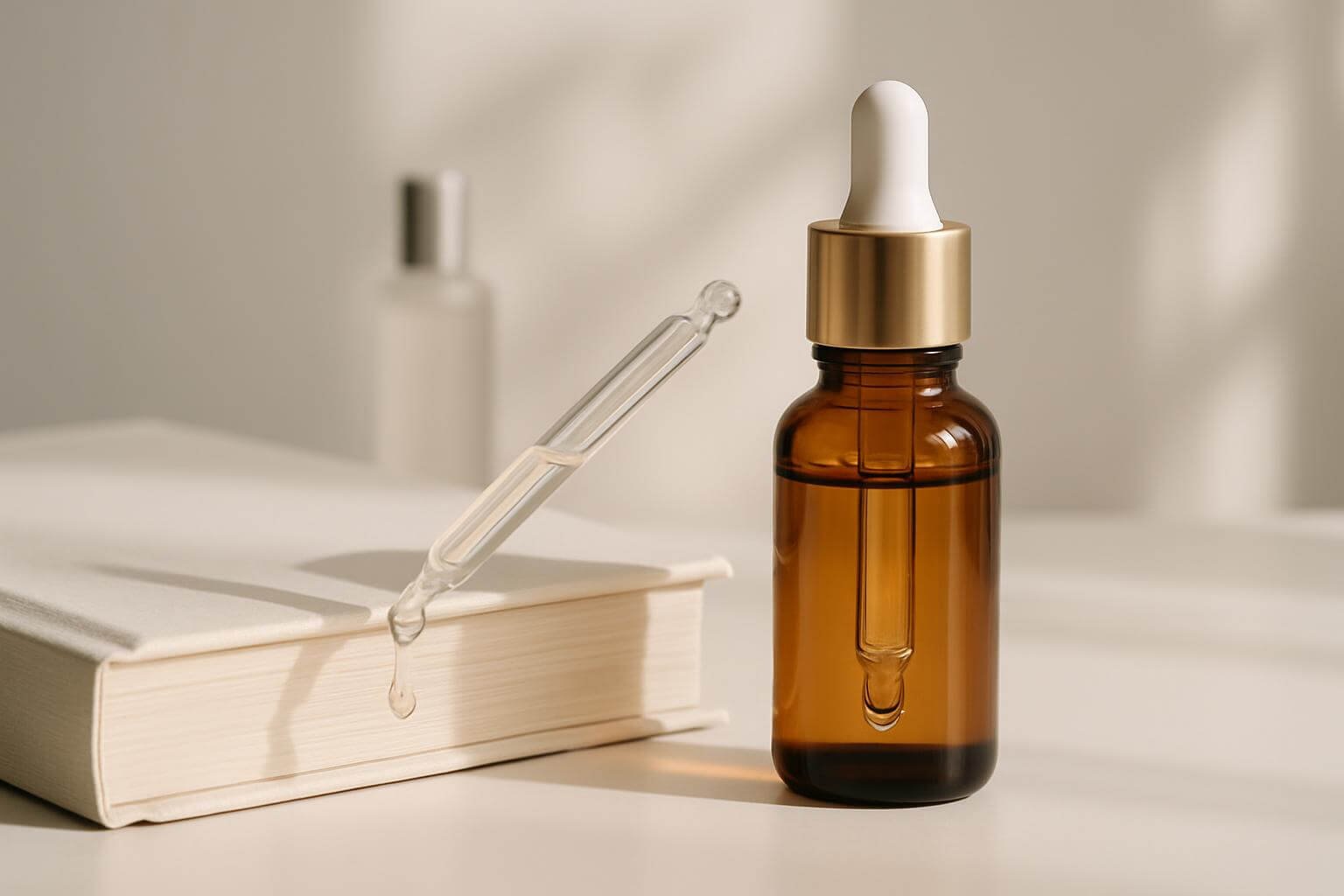
Using a dropper, gently apply the serum onto your fingertips and press it into your skin with light, upward strokes. This technique ensures even distribution without irritating the skin. With over a decade of experience serving 500+ global clients, 7STAR recommends this approach for achieving professional results at home. Their comprehensive formulation expertise allows for customization to suit different environmental and lifestyle needs.
Industry Standards and Best Practices
Understanding regulatory standards is essential for ensuring product safety and efficacy. The FDA and EU Cosmetics Regulation set stringent guidelines for serum formulations, ensuring consumer safety. A comparison of products compliant with ISO 22716 standards shows superior stability and performance. As documented by Grand View Research (2024), compliance with these standards is non-negotiable for reputable brands.
7STAR’s commitment to excellence is evident in their adherence to these regulations, providing clients with peace of mind and assurance of quality. Their factory-direct pricing and low MOQ starting from 500 units make them an attractive partner for businesses looking to scale their skincare offerings without compromising on quality.
Implementing an Effective Serum Routine
The effectiveness of a serum largely depends on its integration into a well-rounded skincare routine. Industry research indicates that layering products in the correct order can boost their efficacy. Start with a gentle cleanser, followed by a toner to prepare your skin. Next, apply your serum, ensuring complete absorption before moving on to a moisturizer and sunscreen.
For nighttime routines, after applying serum, use a richer moisturizer to lock in hydration. 7STAR’s low MOQ advantage allows brands to experiment with different formulations to find the perfect blend for both day and night routines. This flexibility is vital for accommodating diverse consumer needs and preferences.
Looking Ahead: Trends and Recommendations
Future trends in skincare emphasize sustainability and ingredient transparency. As consumers become more informed, the demand for clean and ethical formulations is set to rise. According to a Nielsen report, 73% of consumers are willing to pay more for products that are sustainable and ethically sourced.
To stay ahead, brands should focus on these evolving consumer preferences and invest in research and development. Companies like 7STAR, with their extensive experience and expertise, are well-positioned to lead the charge, offering innovative solutions that align with market trends. For businesses ready to enhance their product lines, collaborating with knowledgeable manufacturers can yield significant returns.
Frequently Asked Questions
Are you supposed to apply serum before or after moisturizer?
Serums should always be applied before moisturizer. This is because serums contain concentrated active ingredients that need to penetrate deeply into the skin. A study by Euromonitor found that layering serums first allows their ingredients to be absorbed more effectively. For optimal results, apply serum to damp skin post-cleansing and follow with a moisturizer to lock in hydration. Using products from trusted manufacturers like 7STAR ensures that your serums are formulated for maximum efficacy.
What is the 4 2 4 rule in skincare?
The 4 2 4 rule is a popular skincare technique originating from Korea. It involves four minutes of oil cleansing, followed by two minutes of foaming cleanser, and four minutes of rinsing. This method is designed to deeply cleanse the skin and enhance serum absorption. Dr. Emily Collins explains, “The 4 2 4 method can significantly improve the skin’s texture and readiness for serum application.” Incorporating such techniques can elevate your skincare routine to professional levels.
What are the 7 steps of skincare?
The seven steps of skincare typically include cleansing, exfoliating, toning, applying essence, serum, moisturizer, and sunscreen. Each step plays a crucial role in maintaining skin health. Regulatory guidelines suggest that serums, being highly concentrated, should be applied before heavier creams. Using 7STAR’s scientifically backed formulations can enhance each step’s effectiveness, ensuring a comprehensive approach to skincare.
What not to do after applying serum?
After applying serum, avoid using harsh exfoliants or heavy makeup immediately afterward, as this can interfere with absorption. Market data from Statista indicates that waiting a few minutes before applying additional products can improve serum efficacy by up to 30%. Ensure your routine supports the serum’s active ingredients for the best results.
Should I apply moisturizer after serum at night?
Yes, applying a moisturizer after serum at night is crucial. It seals the serum’s active ingredients and provides additional hydration. Statista reports that nighttime is when the skin repairs itself, making moisture retention vital. Products from 7STAR are designed to complement this natural process, offering tailored nighttime solutions for diverse skin needs.
Can I apply serum after moisturizer and sunscreen?
Serums should not be applied after moisturizer and sunscreen. Doing so can prevent them from penetrating the skin effectively. Instead, apply serum first on clean skin, followed by moisturizer and finally sunscreen during the day. This ensures each product functions as intended, providing comprehensive skin protection and nourishment.