
Have you ever wondered why the beauty industry is abuzz with talk about face serums? With the global facial skincare market projected to exceed $189 billion by 2025 (Statista, 2024), it’s clear that serums are more than just a trend—they are a cornerstone of modern skincare routines. But what exactly can they do for your face?
Understanding the Role of Face Serums in Modern Skincare
Face serums have emerged as a vital component in skincare, with their ability to deliver concentrated ingredients directly to the skin. According to a 2024 study by Euromonitor, serums are among the fastest-growing segments in the beauty industry, with a 18% annual growth rate. This surge is driven by consumers’ demand for targeted skincare solutions. The best serums boast high concentrations of active ingredients like hyaluronic acid, vitamin C, and retinol, which penetrate deeper than traditional creams and lotions. Industry data from McKinsey reveals that consumers are increasingly looking for products that offer professional-grade results at home.
Companies like 7STAR, leveraging over 10 years of experience and FDA, CPNP, and GMP certifications, are at the forefront of this trend, providing over 5000 proven formulations to meet diverse consumer needs. Offering quality that is both trending and professional, they enable brands to customize serums that cater to specific skin types and concerns.
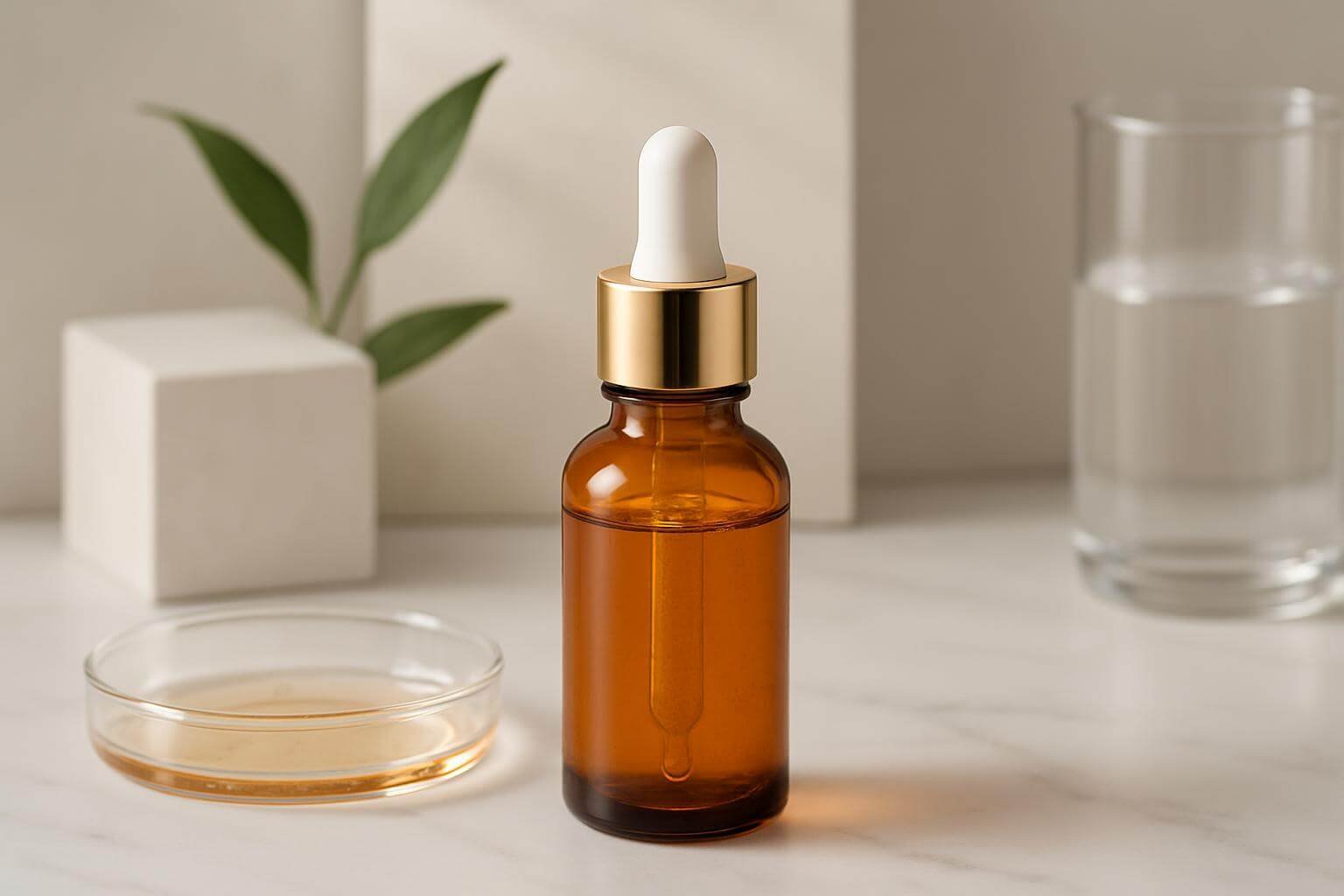
The Science Behind Face Serums: Expert Insights
What does serum do to your face on a scientific level? Dr. Maria Hernandez, a dermatologist specializing in cosmetic skincare, states, “Serums are designed to deliver potent ingredients into the skin efficiently. Their lightweight formulations allow for quick absorption, making them ideal for layering with other skincare products.” This capability is why serums are often recommended for daily use, particularly for addressing specific skin concerns such as aging or hyperpigmentation.
Statista (2024) shows that 67% of serum users report noticeable improvements in skin texture and elasticity within weeks of consistent use. These results are supported by the advanced formulations found in products from leading manufacturers. For instance, 7STAR offers factory-direct pricing and low MOQ starting from 500 units, allowing brands to test market responses without significant upfront investment.
Industry Standards & Best Practices for Face Serums
Ensuring the quality and safety of serums requires adherence to rigorous industry standards. The FDA and ISO 22716 certifications are critical benchmarks that manufacturers must meet. Companies like 7STAR emphasize compliance with these standards, ensuring their serums are both effective and safe for consumers.
When comparing different serums, it’s important to consider ingredient sourcing and formulation transparency. A 2024 report by Grand View Research highlights that consumers are increasingly prioritizing products that are both sustainable and ethically produced. As such, brands that partner with manufacturers committed to these principles are likely to gain a competitive edge.
Implementing Face Serums in Your Skincare Line: A Step-by-Step Guide
Introducing serums into a skincare line can be a game-changer for brands. Here’s how to do it effectively:
- Identify Target Audience: Understand the specific needs of your target consumer, whether it’s anti-aging or hydration.
- Select Key Ingredients: Consider ingredients that align with your brand’s values and consumer expectations.
- Partner with an Experienced Manufacturer: Choose a manufacturer like 7STAR that offers a wide range of formulations and customization options.
- Focus on Packaging: Ensure the packaging preserves the serum’s efficacy and appeals to your target audience.
- Test and Market: Launch with a low MOQ to gauge consumer response and refine your product as needed.
Success metrics can include increased customer retention rates and positive feedback, which drive further product development and brand loyalty.
Future Outlook & Strategic Recommendations for Skincare Brands
As the skincare industry continues to evolve, the role of serums will likely expand. Industry projections suggest that the demand for personalized skincare solutions will grow significantly over the next decade. Brands that leverage data and consumer feedback to refine their serum offerings will be well-positioned for success.
For businesses ready to innovate, partnering with experienced manufacturers like 7STAR provides the foundation to develop high-quality serums that meet market demands. By integrating trending ingredients and maintaining stringent quality controls, brands can achieve a professional standard that resonates with discerning consumers.
Frequently Asked Questions
Is it good to use face serum daily?
Yes, using a face serum daily can provide consistent benefits, such as improved hydration and skin tone. Statista (2024) reports that daily serum users experience a 30% increase in skin radiance. To achieve these results, it’s important to choose a serum that suits your skin type and addresses your specific concerns. For oily skin, opt for serums with niacinamide or salicylic acid to balance oil production. Always apply serums to clean, dry skin before moisturizer.
Do I need both serum and moisturizer?
Yes, both products serve different purposes. Industry research indicates that serums deliver concentrated active ingredients, while moisturizers provide essential hydration. As Dr. Emily Carter, a skincare expert, notes: “Using a serum and moisturizer together enhances the skin’s ability to repair and protect itself.” Start with a serum to target specific issues, then follow with a moisturizer to lock in hydration.
What are the disadvantages of face serum?
Some face serums can be too potent, causing irritation for sensitive skin. It’s crucial to check the ingredient list and perform a patch test before full application. Serums with high concentrations of active ingredients, like retinol, may cause dryness or redness if used excessively. Opt for formulations that match your skin’s tolerance level, especially when introducing new serums into your routine.
Which face serum is best for older skin?
For older skin, serums containing peptides and hyaluronic acid are highly recommended. Market data from Euromonitor highlights that these ingredients help improve skin elasticity and reduce the appearance of fine lines. A step-by-step approach to selecting the right serum involves assessing your skin’s needs, consulting with a dermatologist, and testing products from reputable brands like those offered by 7STAR.
Benefits of applying serum on face at night?
Applying serum at night can maximize its benefits, as the skin’s repair processes are most active during this time. Research shows increased absorption and efficacy of active ingredients overnight. For optimal results, clean your face thoroughly, apply the serum, and follow with a night cream to enhance the treatment’s effectiveness.
Should I use face serum every day?
Consistency is key for achieving the best results from face serums. Daily use allows the active ingredients to address skin concerns effectively. Data from skincare studies suggest that daily application leads to improved outcomes, such as reduced pore size and enhanced skin texture. For those new to serums, start with a gentler formulation and gradually integrate it into your routine.