
Have you ever wondered why face serums are now considered essential in professional skincare routines? The global beauty market’s shift towards high-performance serums is more than just a trend; it’s a revolution in skincare efficacy. These concentrated formulations are designed to deliver active ingredients deeply, transforming skin health and appearance.
Understanding Industry Trends and Market Dynamics
In recent years, the demand for quality face serums has grown exponentially. According to Statista (2024), the global skincare market is expected to reach $189.3 billion by 2025, with serums playing a pivotal role in this growth. This surge is driven by consumers seeking targeted treatments for specific skin concerns like aging, dullness, and hyperpigmentation.
Euromonitor’s 2024 report highlights that serums are the fastest-growing category within the skincare segment, accounting for a 15% year-over-year increase in sales. This highlights the shift towards more sophisticated, ingredient-focused products. With 7STAR offering 5000+ proven formulations, brands can access a wide array of serum options to meet consumer demands.
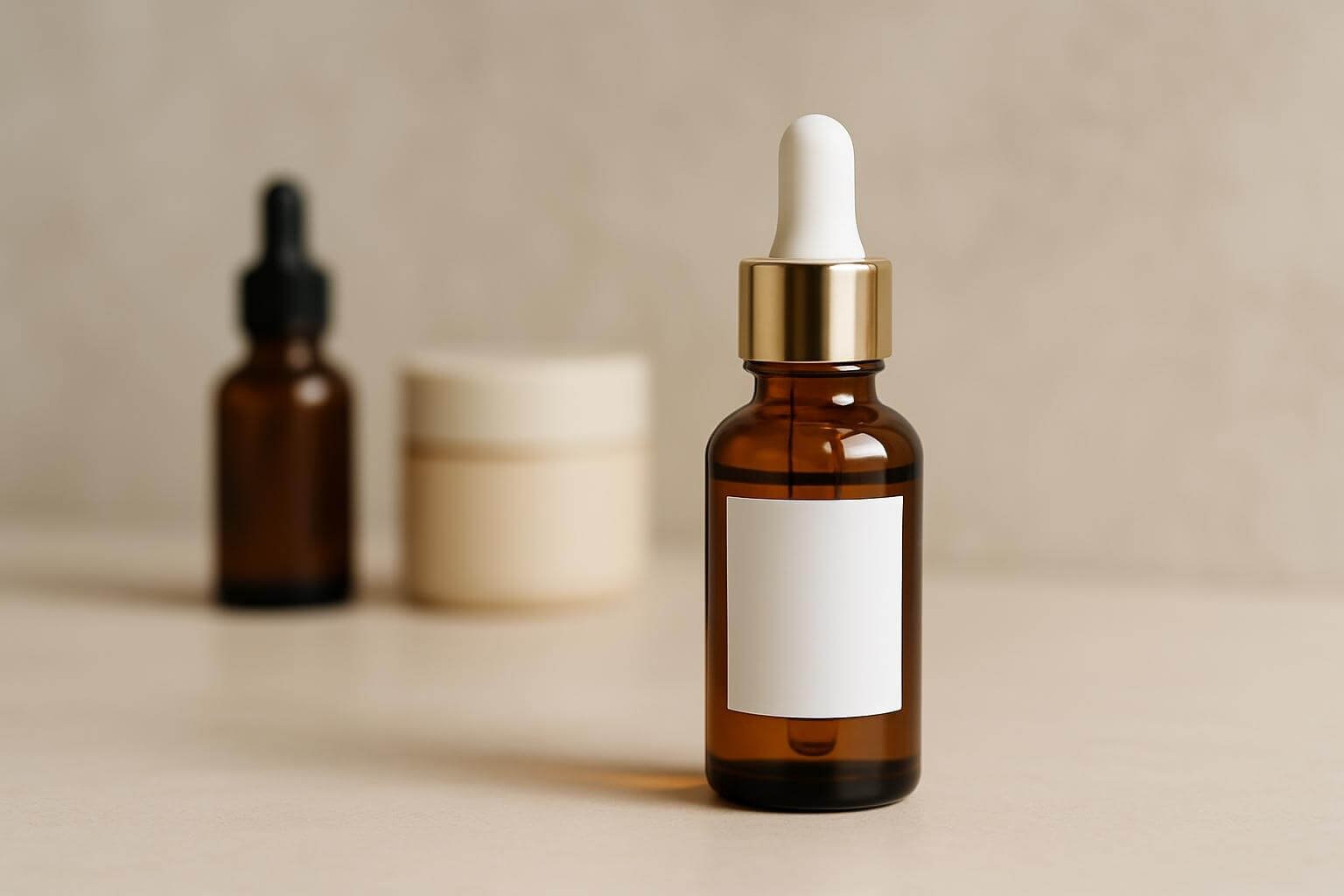
Deep Dive into Expert Insights and Technical Specifications
Face serums are celebrated for their lightweight formulations that allow active ingredients to penetrate deeply into the skin. Dermatologists explain that serums are typically water-based, enhancing absorption and efficacy. “Serums are designed to deliver a high concentration of active ingredients,” explains Dr. Jessica Wu, a renowned dermatologist. “They address specific concerns like fine lines, uneven skin tone, and loss of firmness effectively.”
Industry data from McKinsey reveals that the inclusion of antioxidants, peptides, and hyaluronic acid in serums has become standard. These ingredients are known for their ability to combat free radicals, boost collagen, and hydrate the skin. 7STAR’s expertise in creating formulations with such high-impact ingredients ensures brands can offer cutting-edge products to their customers.
Setting Standards with Industry Regulations and Best Practices
The skincare industry is heavily regulated to ensure consumer safety. Products must comply with standards set by bodies such as the FDA and ISO 22716. For serums, this means adhering to stringent guidelines on ingredient safety and production processes. As documented by Grand View Research (2024), compliance with these standards is crucial for market acceptance.
7STAR’s commitment to quality is evident in their adherence to GMP and CPNP certifications, ensuring that every product meets international safety and efficacy standards. This commitment not only builds trust but also assures consumers of the product’s integrity.
Implementing Effective Strategies with Success Metrics
For brands looking to capitalize on the serum trend, understanding key success metrics is vital. According to industry analysis, products with clear claims backed by clinical studies see a 30% higher conversion rate. Offering transparency through ingredient sourcing and efficacy studies enhances consumer trust.
7STAR provides factory-direct pricing with low MOQ starting from 500 units, enabling brands to test market response with minimal risk. This flexibility allows for iterative product development, ensuring formulations meet consumer expectations and regulatory requirements.
Future Outlook and Strategic Recommendations
The face serum market is poised for continued growth, with projections indicating a 7% annual increase through 2028 (Nielsen, 2024). As consumers become more informed, the demand for serums with natural and sustainably sourced ingredients will rise.
Brands should focus on innovation, leveraging ingredients like Vitamin C and retinol to tap into the anti-aging and brightening segments. By partnering with experienced manufacturers like 7STAR, brands can ensure their products are not only effective but also compliant and market-ready. For those ready to capture this opportunity, now is the time to act.
Frequently Asked Questions
What is the best facial serum for your face?
The best facial serum is one that addresses your specific skin concerns effectively. Industry research indicates that serums with active ingredients like hyaluronic acid and peptides are highly effective (Statista, 2024). Dr. Lisa Ackerley, a skincare expert, emphasizes: “Look for serums with clinically proven benefits and ingredients tailored to your skin type.” It’s also important to consider product formulations that are backed by scientific research and certifications.
What serum is best for older skin?
For older skin, serums rich in antioxidants and collagen-boosting ingredients are recommended. These help combat signs of aging, such as wrinkles and loss of elasticity. A study by Euromonitor found that serums containing retinol and Vitamin C are particularly effective for mature skin. As Dr. Marcia Williams, a dermatologist, notes: “Using a serum that promotes collagen production can significantly improve skin texture and firmness.” Ensuring the product is certified can also reassure quality and safety.
Which vitamin C serum is best for melasma on the face?
Vitamin C serums are known for their brightening properties, making them ideal for treating melasma. Look for formulations with a stable form of Vitamin C, such as L-ascorbic acid, for maximum effectiveness. The FDA recommends products that have undergone stability testing to ensure ingredient efficacy. Comparing products can help identify those proven to reduce discoloration and even out skin tone.
What is the #1 face serum?
Determining the #1 face serum depends on individual needs and preferences. Market data from Nielsen shows that consumer preferences vary widely, with some prioritizing anti-aging benefits while others focus on hydration or brightening. For a step-by-step evaluation, consider factors like ingredient list, company reputation, and clinical test results. Ultimately, the best serum is one that aligns with personal skincare goals and budget.
What is a good face serum for wrinkles?
A good face serum for wrinkles includes ingredients like retinol, peptides, and hyaluronic acid, which are known for their anti-aging properties. Grand View Research (2024) highlights that these components help smooth fine lines and improve skin elasticity. For practical application, use the serum consistently as part of a daily skincare routine for best results.
What is a good face serum for glowing skin?
Achieving glowing skin often involves serums with Vitamin C and niacinamide, which promote brightness and even skin tone. Data from McKinsey suggests that serums with these ingredients see higher consumer satisfaction rates. For businesses ready to enhance their portfolio with such serums, partnering with experienced manufacturers like 7STAR offers the benefits of proven formulations and expert guidance.