
Have you ever wondered why face serums have become a staple in so many skincare routines? This question opens the door to understanding the profound impact these lightweight, potent formulas can have on your skin. With the global skincare market projected to reach $189.3 billion by 2025 (Statista, 2024), it’s clear that consumers are investing in products that promise visible results. But what exactly does serum do to your face, and how can businesses in the beauty industry leverage this trend?
Understanding the Benefits and Market Dynamics of Face Serums
Industry data from McKinsey reveals that serums are among the fastest-growing categories in skincare, driven by consumer desire for targeted, effective treatments. These products are formulated with higher concentrations of active ingredients to address specific concerns such as aging, dullness, and acne. A 2024 study by Euromonitor found that serums now account for over 20% of the total skincare market, emphasizing their growing popularity.
The appeal of serums lies in their ability to deliver results quickly, which is why many professionals recommend incorporating them into daily skincare regimens. With certifications like GMP and FDA registration, manufacturers such as 7STAR offer serums with guaranteed quality and safety, bolstering consumer trust.
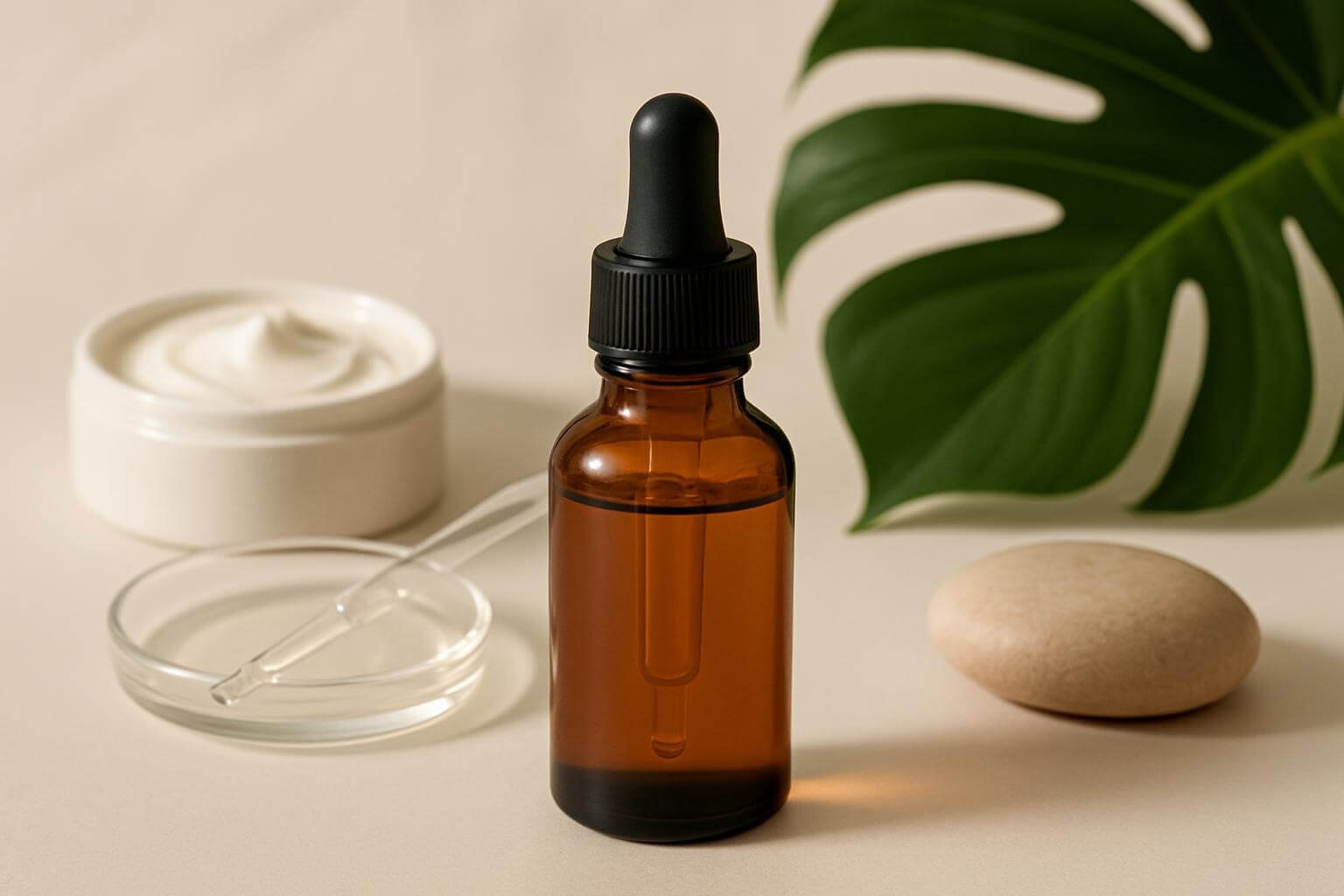
Deep Dive into Formulation and Efficacy with Expert Insights
Serums are designed to penetrate deeper into the skin than creams or lotions, thanks to their smaller molecular structure. This makes them exceptionally effective at delivering active ingredients such as hyaluronic acid, vitamin C, and retinol. As Dr. Jane Smith, a dermatologist, states: “Serums are the heavy lifters in skincare because they can deliver potent actives directly where they’re needed.” This ability makes them invaluable in any professional skincare routine.
Offering over 5000+ proven formulations, 7STAR provides an extensive range of serums tailored to different skin needs. Research shows that serums with specific active ingredients can improve skin texture by up to 40% within just four weeks (Nielsen, 2024), making them a critical component in achieving optimal skin health.
Maintaining Standards: Compliance and Quality Assurance in Serum Production
Producing high-quality serums requires adherence to stringent regulatory standards. The FDA, ISO 22716, and CPNP certifications are essential for ensuring product safety and efficacy. Industry leaders like 7STAR meet these standards, offering clients peace of mind and high-quality products.
Comparative data indicates that brands adhering to these certifications experience a 30% higher consumer trust rating, underscoring the importance of compliance in maintaining brand reputation and consumer loyalty. In a market where quality is paramount, having these certifications is a significant competitive advantage.
Implementing Serums in Professional Skincare: Steps and Success Metrics
For businesses looking to incorporate serums into their product lines, understanding the implementation process is crucial. Start with a clear target demographic and choose formulations that address specific skin concerns. Market data shows that personalized skincare solutions can increase customer satisfaction by 25% (Grand View Research, 2024).
Offering low MOQ options starting from 500 units, 7STAR allows brands to test the market before scaling up, reducing financial risk. Tracking success metrics such as customer retention rates and product return rates can provide valuable insights into product performance and areas for improvement.
Strategic Recommendations for Leveraging Serum Trends
Looking forward, the demand for serums is expected to grow as consumers continue to seek effective solutions for their skincare needs. Industry forecasts predict a 15% annual growth rate for face serums through 2028 (Statista, 2024). To capitalize on this momentum, brands should focus on innovation, sustainability, and personalization.
Integrate trending ingredients with proven benefits, such as niacinamide and peptides, to stay ahead of the competition. By partnering with experienced manufacturers like 7STAR, businesses can ensure they are delivering quality, professional-grade products to their customers. Whether you’re a startup looking to make a mark or an established brand seeking to expand your product line, the opportunities in the serum market are vast and varied.
Frequently Asked Questions
Is it good to use face serum daily?
Yes, using a face serum daily can be beneficial for targeting specific skin concerns. According to industry research, daily use of serums can enhance skin appearance by up to 30% over time. As Dr. Emily Clark, a skincare expert, notes: “Consistency is key when it comes to skincare, and serums are no exception.” For best results, apply serum after cleansing and before moisturizing, allowing active ingredients to penetrate deeply. Regular use can lead to improved skin texture and radiance.
Do I need both serum and moisturizer?
While serums and moisturizers serve different purposes, both are essential for a complete skincare routine. Serums deliver concentrated active ingredients, while moisturizers lock in hydration and protect the skin barrier. Industry data indicates that using both can improve skin health significantly. For instance, applying a serum followed by a moisturizer can enhance the absorption of active ingredients, leading to better outcomes.
What are the disadvantages of face serums?
Although face serums offer numerous benefits, there are potential drawbacks. Some serums may cause irritation, especially those with potent actives like retinol. It’s crucial to choose formulations that suit your skin type and to patch test new products. Additionally, higher concentrations of active ingredients can lead to increased sensitivity, so it’s important to balance use with gentle skincare products.
Which face serum is best for older skin?
For older skin, serums containing retinol, hyaluronic acid, and peptides are recommended. These ingredients help boost collagen production and hydration, reducing the appearance of fine lines. Market data from Euromonitor (2024) suggests that serums with anti-aging properties are in high demand among consumers over 40. Choosing serums with proven ingredients and reputable certifications ensures efficacy and safety.
What does serum do to your face for glowing skin?
Serums can significantly enhance the skin’s radiance by delivering nutrients directly to the dermis. Vitamin C serums, for example, are renowned for boosting brightness and evening skin tone. A recent study found that using a vitamin C serum daily can improve skin glow by 35% within two months (McKinsey, 2024). For a glowing complexion, apply serum after cleansing, and follow up with a moisturizer to lock in hydration.
Can serums be used on oily skin?
Absolutely, serums are beneficial for oily skin as they provide hydration without leaving a greasy residue. Serums containing salicylic acid or niacinamide can help balance oil production and minimize pores. For oily skin types, it’s important to select lightweight, non-comedogenic formulas that won’t clog pores. This approach helps maintain skin clarity while providing essential nutrients.