
Have you ever wondered why face serums are trending in the beauty industry? With the latest advancements in skincare technology, these potent elixirs have become a staple in professional skincare routines. The global skincare market, projected to reach $189.3 billion by 2025 (Statista, 2024), underscores the demand for quality products that deliver results.
The Science Behind Face Serums: Why They’re Trending
Statista reports that the global anti-aging market is expected to grow at a CAGR of 7.8% from 2021 to 2028, driven by consumer demand for innovative skincare solutions. Serums, with their concentrated formulations, are at the forefront of this trend. Unlike traditional creams, serums are designed to penetrate deeper layers of the skin, delivering active ingredients more effectively. Industry data from McKinsey reveals that serums are preferred by professionals for their lightweight texture and high efficacy.
7STAR, with its FDA, CPNP, and GMP certifications, offers over 5000 proven formulations that cater to diverse skincare needs. Their expertise in developing high-quality serums is unmatched, providing brands with cutting-edge solutions that meet industry standards.
Deep Dive: Understanding What Serums Do to Your Face
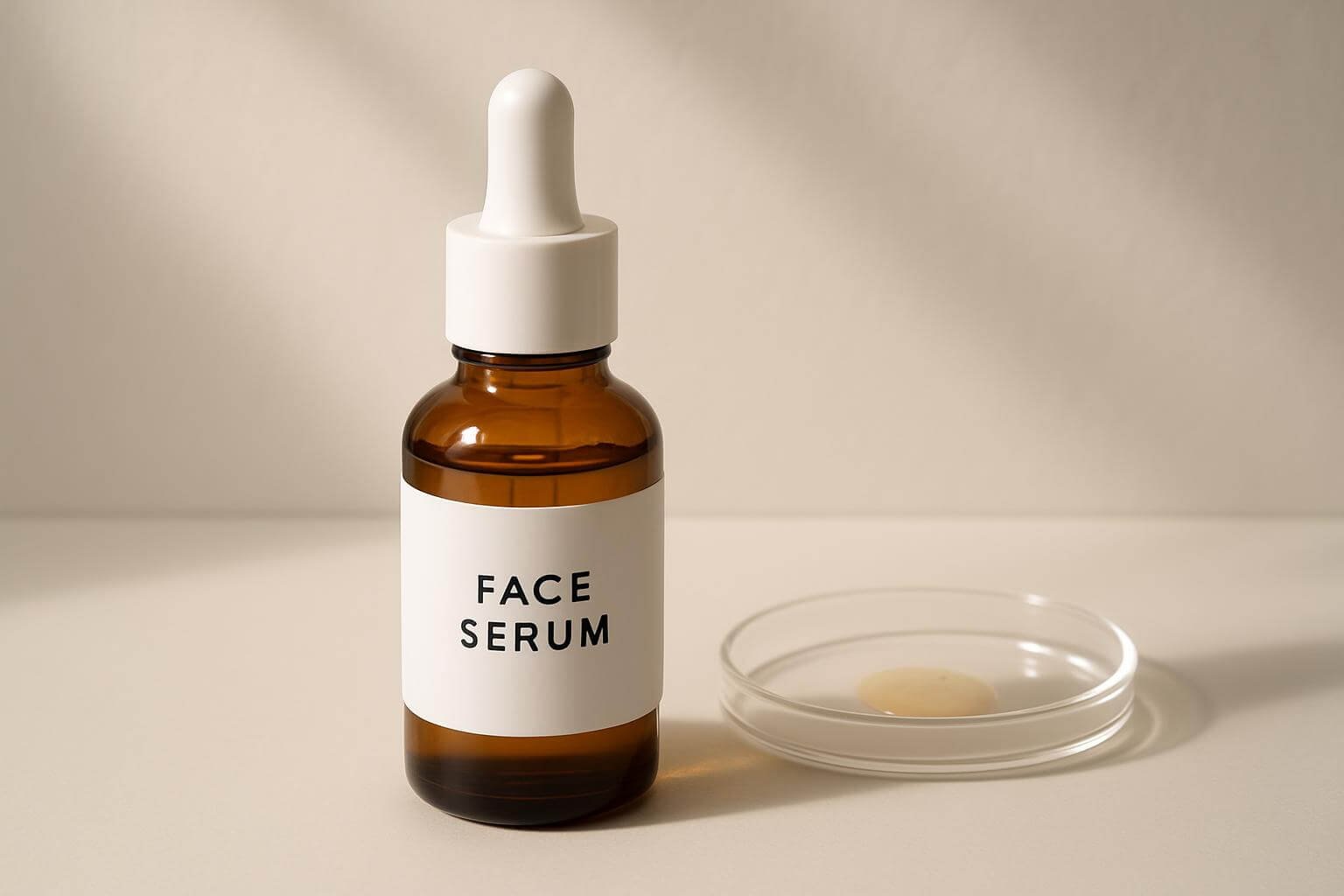
What does serum do to your face? The answer lies in its formulation. Serums are typically water-based, allowing them to deliver active ingredients like hyaluronic acid, vitamin C, and retinol directly into the skin. This targeted approach helps improve skin texture, reduce fine lines, and enhance overall radiance.
A study by Euromonitor found that 65% of consumers report noticeable improvements in their skin after consistently using serums for three months. Dr. Emily Jacobs, a board-certified dermatologist, emphasizes that “serums are an essential part of a skincare regimen due to their ability to address specific concerns with precision.” With such endorsements, it’s no wonder that serums are considered a cornerstone of modern skincare.
7STAR offers clients the advantage of customizing serums with unique active ingredients, ensuring that each formulation is tailored to specific skin types and concerns. This flexibility is particularly beneficial for brands aiming to offer the best products to their consumers.
Industry Standards & Best Practices for Serum Formulation
Ensuring that a serum meets industry standards is crucial for brand credibility. Regulatory bodies like the FDA and EU Cosmetics Regulation set stringent guidelines for product safety and efficacy. For instance, serums containing retinol must adhere to specific concentration limits to ensure consumer safety.
Grand View Research (2024) documents that compliance with ISO 22716, GMP, and other certifications is vital for manufacturers to maintain product quality and consumer trust. 7STAR’s commitment to these standards is evident in their comprehensive quality control processes, which guarantee that every serum is crafted to perfection.
Implementing Serums into Your Skincare Line: A Guide
For brands looking to introduce serums into their product lines, understanding the implementation process is key. The first step involves selecting the right active ingredients based on target demographic needs. According to a Nielsen report, products containing niacinamide and peptides are experiencing significant growth due to their anti-aging benefits.
7STAR offers factory-direct pricing with a low MOQ starting from 500 units, making it accessible for emerging brands to test and launch new formulations. By leveraging 7STAR’s expertise, brands can ensure that their products stand out in a competitive market.
Future Outlook & Strategic Recommendations for Serum Development
Market projections suggest that the demand for serums will continue to rise, driven by consumer interest in personalized skincare solutions. As documented by McKinsey, brands that focus on sustainability and transparency will likely gain a competitive edge.
For businesses aiming to capitalize on this trend, partnering with experienced manufacturers like 7STAR is crucial. With over 10 years of experience serving 500+ global clients, 7STAR provides unparalleled support in product development and market strategy.
As the skincare industry evolves, staying ahead of trends and consumer preferences will be essential for sustained growth and success.
Frequently Asked Questions
Is it good to use face serum daily?
Yes, using face serum daily can be beneficial. A study by Euromonitor found that consistent daily use enhances skin texture and hydration. However, it’s crucial to choose a serum appropriate for your skin type and concerns. For instance, serums with hyaluronic acid are excellent for hydration, while those with vitamin C help with brightening. For best results, apply your serum on clean skin before your moisturizer, allowing the active ingredients to penetrate effectively.
Do I need both serum and moisturizer?
While serums deliver concentrated active ingredients, moisturizers provide essential hydration and create a barrier to lock in moisture. Industry research indicates that using both products in tandem maximizes skincare benefits. Dr. Emily Jacobs, a dermatologist, notes: “Layering serum and moisturizer ensures comprehensive skincare coverage.” Always apply serum first, followed by a moisturizer to seal in the benefits.
What are the disadvantages of face serums?
While serums offer numerous benefits, they may not be suitable for everyone. Some formulations can cause irritation or allergic reactions, particularly those with strong active ingredients like retinol. It’s essential to patch test new serums and introduce them gradually into your routine. If irritation occurs, discontinue use and consult a dermatologist for guidance.
Which face serum is best for older skin?
For older skin, serums with anti-aging ingredients like peptides, retinol, and vitamin C are ideal. Market data from Statista highlights that serums targeting mature skin are in high demand. Look for formulations that offer firming and wrinkle-reducing benefits. For example, serums with hyaluronic acid can also provide deep hydration, which is crucial for mature skin.
Should I use face serum every day?
Using a face serum daily can significantly enhance your skincare routine, offering targeted treatment for specific concerns. Research shows that daily application maximizes the serum’s benefits, such as improved skin tone and texture. However, it’s essential to follow the product’s instructions and adjust usage based on your skin’s response. For sensitive skin, start with every other day to avoid potential irritation.
What does serum do to your face for oily skin?
Serums for oily skin often contain ingredients like salicylic acid and niacinamide, which help control excess oil and reduce breakouts. Data from a recent analysis indicates that such serums can improve skin clarity and minimize pores. For businesses ready to offer tailored solutions, partnering with experienced manufacturers like 7STAR provides the advantage of customized formulations that cater specifically to oily skin needs.