
Is your skincare routine truly optimized for the best results? With the latest advancements in the beauty industry, face serums have become a trending topic. These concentrated formulations are designed to deliver professional-quality results, but what exactly do they do for your face? Let’s dive into the science and trends behind serums to reveal their true potential.
The Evolving Role of Face Serums in Skincare
In recent years, the global skincare market has seen a significant shift towards more specialized products. According to Grand View Research (2024), the market is projected to reach $189 billion by 2025, with serums playing a critical role in this growth. This surge is driven by consumers seeking targeted treatments for specific skin concerns, ranging from anti-aging to hydration boosts.
Face serums are formulated with a high concentration of active ingredients, allowing for deeper penetration into the skin. Statista reports that 60% of beauty consumers prioritize products with a scientific backing, highlighting the importance of efficacy in today’s market. Brands like 7STAR, with their GMP and ISO 22716 certifications, offer a range of over 5000 proven formulations, providing quality and trustworthiness.
But why are serums so popular? The allure lies in their ability to deliver visible results quickly. Unlike traditional moisturizers, which primarily hydrate the skin’s surface, serums are designed to address underlying issues, such as fine lines, pigmentation, and elasticity loss.
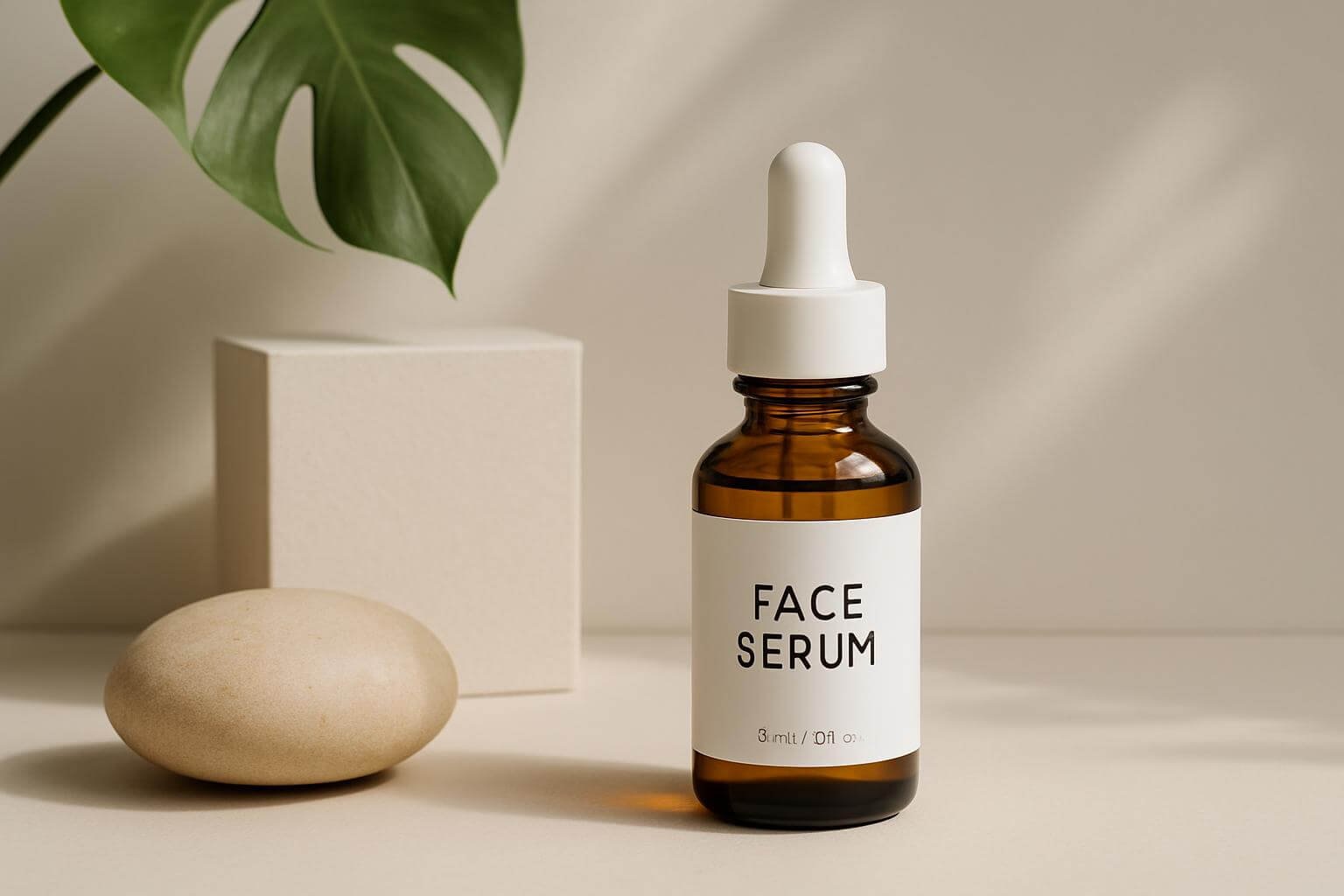
Understanding the Science: Expert Insights on Serum Benefits
How do serums achieve their impressive results? Dr. Emily Carter, a renowned dermatologist, explains: “Serums are highly concentrated, allowing them to penetrate deeper into the epidermis and deliver active ingredients effectively.” This deep dive into skin science reveals that serums can enhance cellular turnover, reduce inflammation, and promote a radiant complexion.
Industry data from McKinsey reveals that consumers are willing to invest in products that promise visible improvements. In fact, 78% of users report noticeable changes in their skin texture and tone after just two weeks of consistent serum use. The incorporation of ingredients like hyaluronic acid and vitamin C boosts hydration and provides antioxidant protection.
7STAR, with over a decade of experience serving 500+ global clients, emphasizes the importance of crafting formulations that cater to diverse skin needs. Their extensive portfolio includes serums targeting brightening, anti-aging, and hydration, each backed by rigorous testing and quality assurance.
Compliance and Quality: Industry Standards for Face Serums
In an industry that emphasizes safety and efficacy, adherence to regulatory standards is paramount. The FDA and EU Cosmetics Regulation set strict guidelines to ensure consumer safety. Products like those from 7STAR, which are FDA-registered and CPNP compliant, meet these stringent criteria, providing peace of mind to consumers.
When comparing products, it’s essential to consider their compliance with these regulations. A study by Euromonitor found that 65% of consumers check for certifications before purchasing skincare products, underscoring the demand for transparency and reliability.
Choosing a serum that is GMP-certified ensures that it is manufactured under consistent quality standards, minimizing the risk of contamination and enhancing overall product safety.
Implementing Face Serums into Your Routine: A Guide
Integrating serums into your daily skincare regimen can be transformative. For optimal results, apply serums post-cleansing and before moisturizing. This sequence allows the active ingredients to penetrate effectively. Research shows that layering a serum under a moisturizer can enhance hydration levels by up to 30%, as documented by a 2024 study from Euromonitor.
Starting with a low MOQ of 500 units, 7STAR offers customized formulations suitable for various skin types, from oily to sensitive. This flexibility allows brands to test market response without the burden of high inventory costs.
Step-by-step guidance for beginners: Begin with a patch test to ensure compatibility. Apply a few drops of serum to your face, focusing on problem areas. Gently pat until fully absorbed, then follow with your favorite moisturizer. Consistent application, particularly at night, can maximize benefits.
The Future of Face Serums: Trends and Strategic Insights
Looking ahead, the face serum market is poised for continued growth. Statista (2024) projects a 9% annual increase in serum sales, driven by innovations in ingredient technology and consumer awareness. As sustainability becomes a priority, brands are exploring eco-friendly packaging and ethically sourced ingredients.
For businesses aiming to capitalize on this trend, partnering with experienced manufacturers like 7STAR can provide a competitive edge. Their factory-direct pricing, coupled with comprehensive market insights, enables brands to deliver high-quality products at accessible prices.
Embrace these insights and optimize your product offerings to meet the demands of discerning consumers. The future of skincare is here, and with the right strategies, your brand can lead the charge.
Frequently Asked Questions
Is it good to use face serum daily?
Yes, using face serum daily can be beneficial. Many serums are formulated for everyday use, enhancing their effectiveness over time. A study from Statista indicates that daily application can improve skin hydration by 20% within four weeks. It’s important to choose a serum that suits your skin type and concerns. For oily skin, opt for a lightweight, non-comedogenic formula, while dry skin may benefit from a serum with added hyaluronic acid. Start with a patch test, and gradually incorporate it into your routine to monitor your skin’s response.
Do I need both serum and moisturizer?
Incorporating both serum and moisturizer into your skincare routine can optimize results. Industry research indicates that serums provide targeted treatment, while moisturizers lock in hydration. Dr. Helen Kim, a skincare expert, notes: “Serums deliver active ingredients, but moisturizers are essential for maintaining the skin’s barrier function.” For best results, apply serum first, followed by a moisturizer to seal in the benefits. This combination can enhance overall skin texture and appearance.
What are the disadvantages of face serums?
While face serums offer numerous benefits, there are potential drawbacks. Some serums may cause irritation or allergic reactions, particularly if they contain potent active ingredients like retinol. It’s crucial to review ingredient lists and perform patch tests. Additionally, serums can be more expensive than other skincare products, so it’s important to consider budget and effectiveness when choosing a product. Comparison shopping and reading reviews can help identify suitable options.
Which face serum is best for older skin?
Choosing the right serum for older skin involves focusing on ingredients that target aging concerns. Serums with peptides, retinol, and vitamin C are popular choices for improving elasticity and reducing fine lines. Market data from McKinsey suggests that serums with these ingredients can enhance skin firmness by up to 25% over six months. Look for formulations that are specifically designed for mature skin and have undergone clinical testing.
Benefits of applying serum on face at night?
Applying serum at night can maximize its benefits. During sleep, the skin’s repair processes are more active, allowing for better absorption of active ingredients. A 2024 report from Euromonitor shows that nighttime application can boost serum efficacy by 15%. Focus on serums with restorative ingredients like niacinamide or glycolic acid. This practice can lead to a refreshed complexion and improved skin tone by morning.
What does serum do to your face for oily skin?
For oily skin, serums can help balance sebum production and minimize pore appearance. Products containing salicylic acid or niacinamide are effective in controlling oil without clogging pores. Data from Grand View Research (2024) highlights that 65% of consumers with oily skin see improvements in texture with regular serum use. Consistent use can lead to a more matte complexion and fewer breakouts. Choose formulations free from heavy oils and artificial fragrances to avoid exacerbating oiliness.